Transportation

Batteries Don’t Need To Electrify Every Ship To Reshape Shipping Fuels

A useful paper has landed in the Nature family on the techno-economics of electrifying short-sea shipping, and the result should make the maritime fuel debate a little less vague. The paper does not claim that every ship becomes battery-electric. It does not need to. It finds that by 2030 a … [continued]

Air Lubrication For Ships Is Real. The Air Still Isn’t Free.

The interesting part of Everllence and Silverstream’s Engine Supported Air Lubrication concept is not that ships can reduce drag by pushing air under the hull. That has been known for decades, and commercial systems are already in service. The interesting part is where the air comes from, because air lubrication’s … [continued]

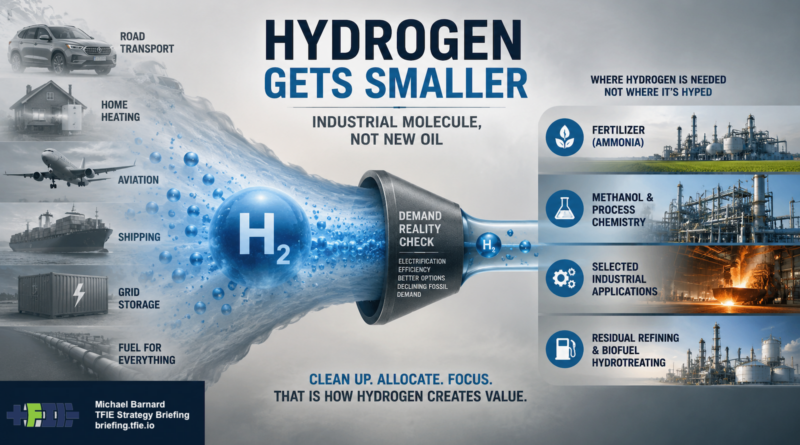
Hydrogen Buses Work. That Is Not The Procurement Question.

Hydrogen buses are real. They can carry passengers, complete routes, refuel, and operate in public transit fleets. That much has been demonstrated often enough that it is no longer the useful question. The useful question for transit agencies is whether hydrogen is a better procurement choice than battery-electric buses once … [continued]

Belgium’s Hydrogen Stations Have A Kilograms-Per-Day Problem

Belgium has another hydrogen refuelling announcement, and on the surface it sounds like progress. Atawey is selling three new hydrogen stations to Colruyt Group and Virya Energy for heavy-duty mobility, with a stated combined distribution capacity of more than 7 tonnes per day and deployment planned by the end of … [continued]

A Pilot Is Not Proof Of A Market

Energy transition analysis is littered with evidence that is real and stories that are not. A pilot exists, therefore the market is forming. A government grant lands, therefore the technology has been validated. An offtake agreement appears, therefore customers must be willing to pay. A large company issues a press … [continued]