Wind Energy Blows Michigan Toward 30% Renewables By 2035
A report from Michigan’s state government says the state could affordably generate 30% of its electricity from renewables by 2035, thanks to wind energy.

A report from Michigan’s state government says the state could affordably generate 30% of its electricity from renewables by 2035, thanks to wind energy.
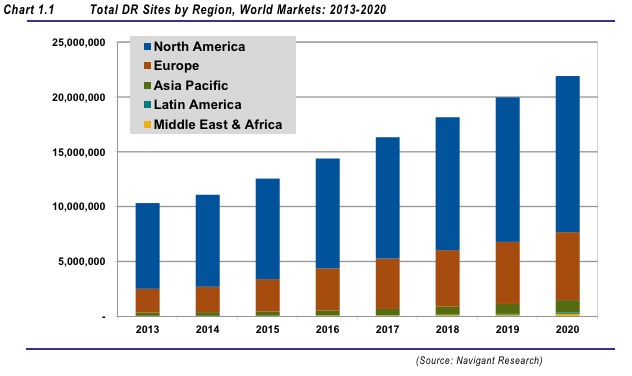
Demand response could more than double to 21.9 million sites and 155.4GW of potential power demand curtailment capacity worldwide by 2020, predicts a new report from Navigant Research.
A distributed power-clean energy milestone was reached late last week as leaders from government and industry joined officials from the University of Delaware and NRG energy to celebrate the first instance of electric vehicle-to-grid (EV2G) technology being used to sell electricity to the power grid. Ongoing success could well provide a critical missing link on the path to a clean, green, renewable and distributed energy infrastructure, economy, and society.
Connecting distributed generation solar projects to the electrical grid may have just gotten much faster and cheaper, potentially boosting both the US solar industry and overall grid reliability…
Imagine, if you will clean, renewable energy almost fully powering a full-scale electricity grid. Ok, it’s hard to believe now, but with recent advances in wind and solar power, it may not be that far off. And, it may come within the next two decades, if researchers from the University of Delaware … [continued]
Coordinated efforts by the federal government, state officials, and regional grid operators could make New York State’s grid the smartest in America. […]
Energy market forces are retiring coal plants, encouraging renewable energy generation, and stimulating energy management — all while reducing electricity costs for consumers. […]
One of the biggest challenges facing wind energy is intermittency. Wind often blows strongest when power demand is lowest, and weakest when electricity is needed the most. Because today’s power grid needs electricity to be consumed the moment it’s generated, that means wind turbines send energy to the grid half as often as an average coal plant.
What if wind farms could store the power that isn’t needed right away and sell it later when demand is high? energyNOW! correspondent Patty Kim visited an energy storage system built alongside a wind farm in the heart of coal country.
In 2003, an overheated power line near Cleveland, Ohio sagged into a tree and shorted out. It started a cascade of power line failures across the Midwest, Northeast and parts of Canada, and causing the worst blackout in U.S. history. Since then, utilities and grid operators have used new technology and procedures to prevent another major blackout – but can they compete with an aging grid and estimated $1 trillion in required new investment?
energyNOW! anchor Thalia Assuras looked at cutting-edge technology that can prevent blackouts before they occur, talked to federal officials about government efforts to create a safer and smarter grid, and went inside the high-tech nerve center of the country’s largest grid operator to see how we’re guarding the grid.