Robot Bees From MIT May Be The Pollinators Of The Future
The clever folks at MIT have created robot bees that may one day be able to pollinate fruits and vegetables.

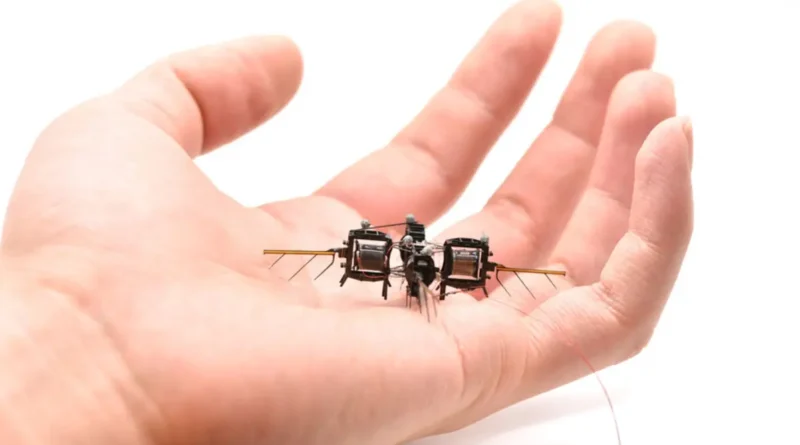
The clever folks at MIT have created robot bees that may one day be able to pollinate fruits and vegetables.

Deciding where to build a solar or wind farm? MIT engineers show how detailed mapping of weather conditions and energy demand can guide optimization for siting renewable energy installations. Prior to now, there were few integrated sources for combining data from individual developers or utilities, which made it more guesswork … [continued]
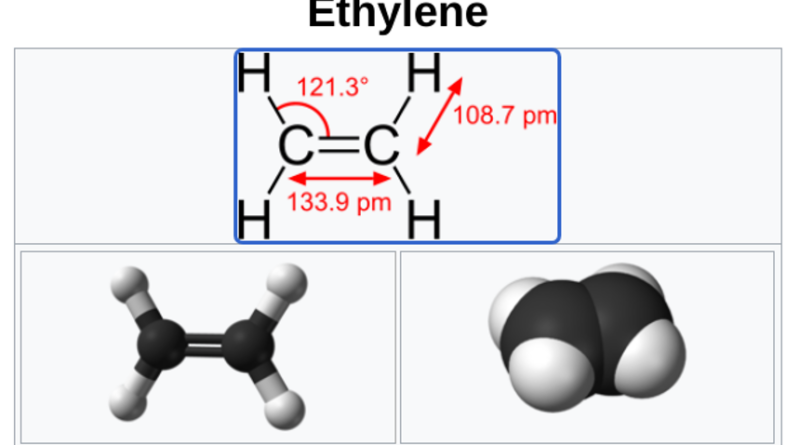
Ethylene is one of those substances that acts as a precursor to hundreds, maybe thousands, of useful products. According to Wikipedia, it is a hydrocarbon like carbon dioxide but with the formula C2H4, or H2C=CH2. It is a colorless, flammable gas with a faint “sweet and musky” odor when pure. … [continued]
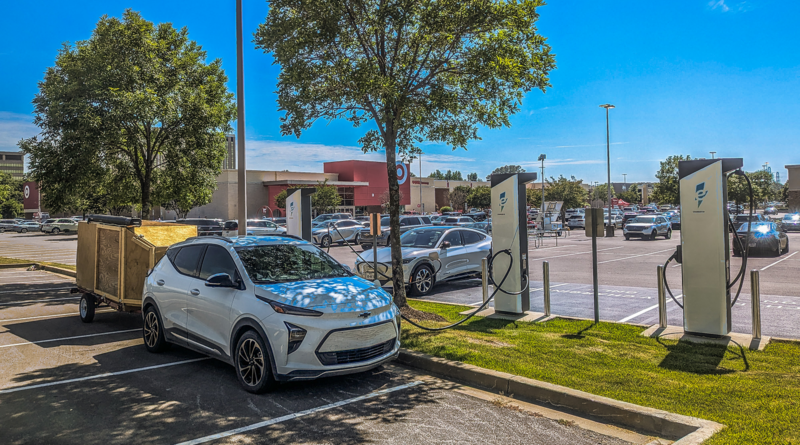
It has long been theorized that EV charging stations located in a business’s parking lot should help that business to earn more money. It’s not complicated, and on the surface, it just makes sense. If you attract more people to your parking lot, or if they are compelled to stay … [continued]
Research shows crucial role of Chicago’s public transit in maintaining mobility, economic stability, and supporting vulnerable populations A study by Argonne and MIT reveals the significant impacts of losing public transit in the Chicago region, from pollution spikes to increased traffic congestion to economic downturns. Public transit is vital to Chicago’s metropolitan … [continued]

In today’s news that makes you go hmmm.… A couple of recent news items from some well-known organizations caught my eye, not just because they are both working on hydrogen fuel cell motorcycle projects, but also because the names of both institutions have a certain cachet in the tech world … [continued]

Everybody thought a fuel cell electric motorcycle was impossible, and a team of MIT students aims to prove them wrong.
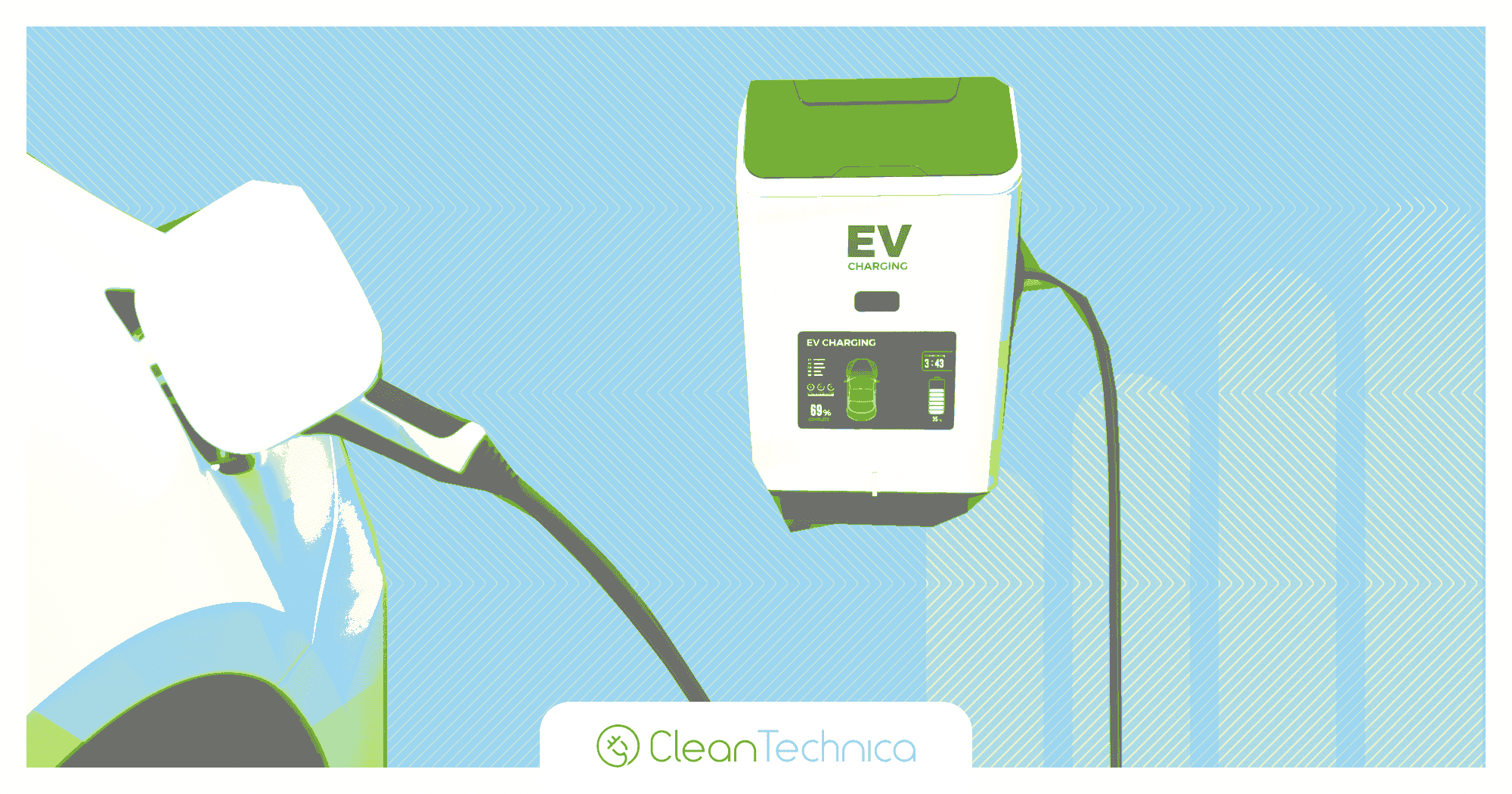
Finding is a step on the way to solid-state batteries Two factors dominate the development of batteries for electric vehicles: power, which determines the vehicle range; and cost, critical in the competition with internal combustion engines. The targets set by the U.S. Department of Energy to accelerate the transition from … [continued]

A new technique produces perovskite nanocrystals right where they’re needed, so the exceedingly delicate materials can be integrated into nanoscale devices.
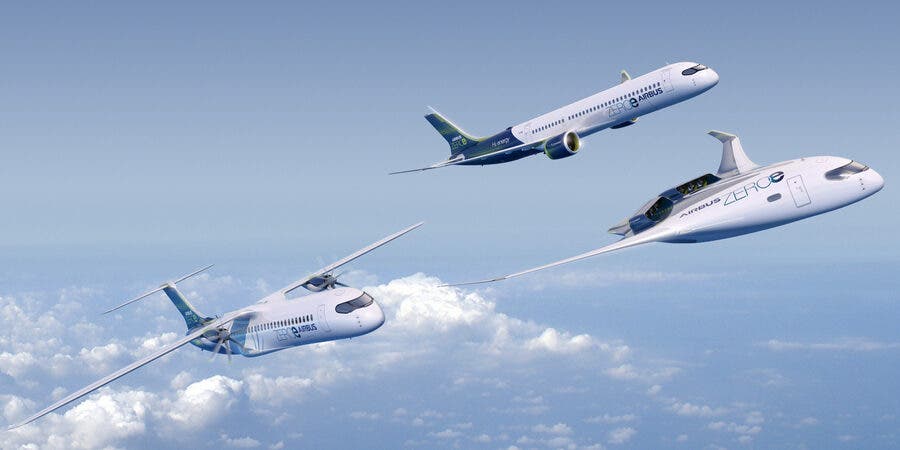
Aviation’s huge carbon footprint could shrink significantly with electrification. To date, however, only small all-electric planes have gotten off the ground. Their electric motors generate hundreds of kilowatts of power. To electrify larger, heavier jets, such as commercial airliners, megawatt-scale motors are required. These would be propelled by hybrid or … [continued]
