Hawaii

Burning Plastic Isn’t Renewable: Rethinking Waste & Power In Hawaii

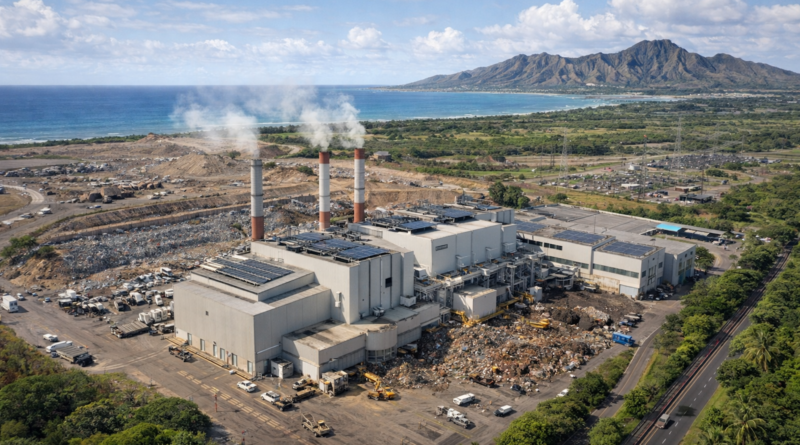
The starting point for evaluating Oʻahu’s waste-to-energy plant is the fully electrified energy system developed earlier in this series. Once overseas aviation fuel, international maritime bunkering, and military energy consumption are removed from the accounting, and once transportation, buildings, and industry are electrified, the island’s civilian electricity demand settles at … [continued]
Demand Shifting in Hawaiʻi: The Other Half of the Energy Transition

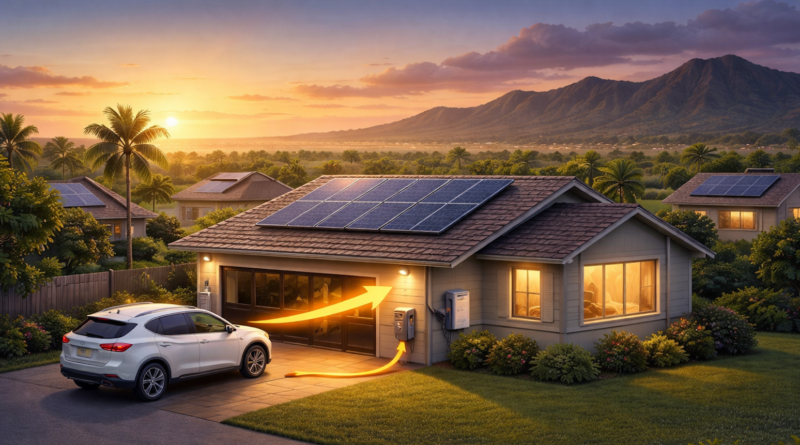
The series examining Oʻahu’s energy transition has followed a consistent structure. It began by defining the island’s fully electrified energy system and stripping away energy uses that do not serve the civilian economy. Aviation fuel for flights leaving Hawaiʻi, maritime bunkering for ships crossing the Pacific, and military energy consumption … [continued]

Biomethane for Oʻahu: A Small Reserve With a Big Reliability Role

The starting point for evaluating biomethane in Hawaiʻi is the fully electrified Oʻahu energy system that emerged from the earlier Sankey analysis. That work removed overseas aviation fuel, long-distance maritime bunkering, and military energy use from the island energy balance. It also electrified transportation, buildings, and industry while replacing combustion … [continued]

District Cooling From the Pacific: A Targeted Efficiency for Oʻahu

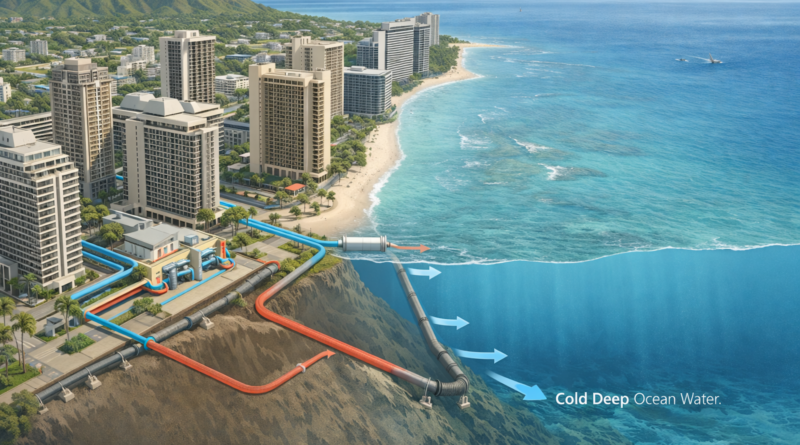
The starting point for evaluating seawater air conditioning on Oʻahu is the fully electrified energy system for the island that has been developed through the earlier Sankey analysis. In that framework the island’s civilian energy system excludes overseas aviation fuel, maritime bunkering for ships crossing the Pacific, and military energy … [continued]

Wind on Oʻahu: A Modest but Valuable Complement to Solar

Any serious discussion of renewable energy on Oʻahu should begin with a clear understanding of how much electricity the island actually needs once fossil fuel end uses are electrified. Earlier analysis constructed a fully electrified civilian energy Sankey for Oʻahu that removed overseas aviation fuel, international maritime bunkering, and military … [continued]

Parking Lots, Rooftops, & Farms: Mapping Oʻahu’s Solar Potential

Any discussion of solar power on Oʻahu has to begin with the amount of electricity the island actually needs in a fully electrified system. Earlier analysis stripped out aviation fuel for overseas flights, fuel bunkered for ships leaving the islands, and military fuel use. It also electrified transportation, buildings, and … [continued]

Electrifying Oʻahu: Shrinking the Island’s Energy System Before Decarbonizing It

Energy discussions about Hawaiʻi often begin with the largest numbers in the system. Aviation fuel, maritime bunkering, and military logistics move large quantities of petroleum through Oʻahu’s ports and fuel infrastructure. Those flows dominate many statistical summaries of the state’s energy system, and they create the impression that the transition … [continued]

Oʻahu’s Real Energy System: Stripping Away Aviation, Shipping, & Military Demand

Energy discussions about Hawaiʻi often begin with the largest numbers on the chart. Aviation fuel, maritime bunkering, and military logistics dominate many of the data tables that describe the state’s energy system. When those numbers are placed on a single chart, the scale of the challenge appears enormous and the … [continued]

38 Coastal, Remote, & Island Communities To Pursue Energy Reliability via Energy Technology Innovation Partnership…

Latest Cohort Is Program’s Biggest Yet, With Broad Geographic Representation By Justin Daugherty, NLR Remote and island communities face unique energy challenges—but these challenges also present unique opportunities to increase energy affordability, reliability, and security. In their efforts to address their energy challenges, 38 coastal, remote, and island communities will … [continued]