concrete

Cement Displacement & Decarbonization Decade By Decade Through 2100

Cement is the gray glue that holds our economy together. It’s ubiquitous, if often hidden behind paint or plaster. It holds together the rock, sand, and steel that keep our buildings upright, our bridges spanning chasms, and our dams holding water for irrigation, generation, and recreation. And it’s a carbon … [continued]
Aday Leads Research & Development of Cement & Concrete Alternatives To Decarbonize the Value Chain…

When people think of the National Renewable Energy Laboratory (NREL), it is often solar, wind, and other clean energy generation technologies that come to mind. However, Ana Aday, a materials science researcher in NREL’s Building Technologies and Science Center, is taking on a whole new challenge: decarbonizing the cement and … [continued]

Cement Is One Of Few Industries Where Carbon Capture May Be Competitive In Niches

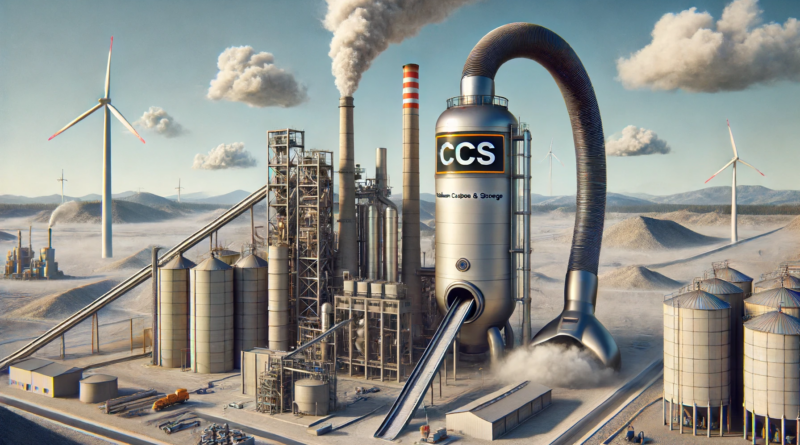
As concrete month draws nearer to a close, it’s time to look at an option not previously explored, continuing to use limestone but bolting on carbon capture and paying for waste disposal in permanent sequestration sites. After fifteen years of assessing carbon capture technologies, pilots and proposals, this is one … [continued]

Decarbonizing Cement & Concrete Is Noble, But Why Will Developers Pay For It?

During what has become concrete month, I’ve explored the full range of actual and purported solutions to the climate problem that is the cement, steel, and concrete used in construction. The industry’s emissions are high, with every ton of reinforced concrete having a carbon debt of 0.3-0.4 tons of carbon … [continued]

Steel Reinforcement Is The Invisible Miracle Of Concrete Construction, But Comes With A Carbon Price

Reinforced concrete was invented in the mid-19th century, a game-changer in the construction world. French gardener Joseph Monier is often credited with its creation. While experimenting with materials to build stronger garden pots and tubs, he had the idea to combine concrete with iron mesh in 1849. Monier patented his … [continued]

Concrete Is A Geography, Minerals, & Waste Game Played With Billions Of Tons Of Chips

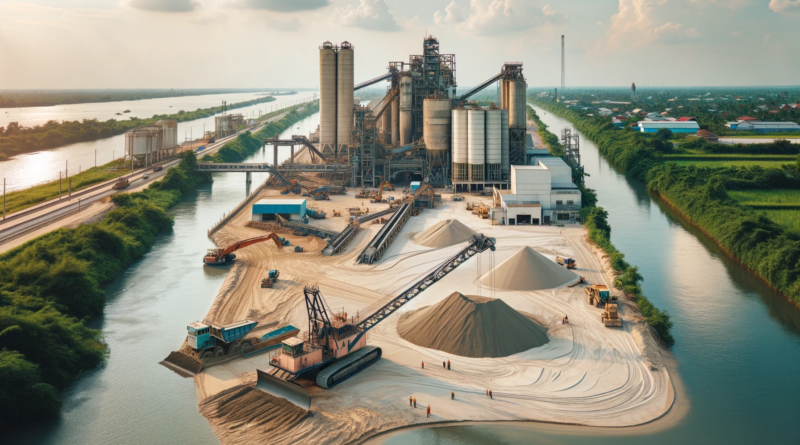
As cement day turns into concrete week turns into concrete month, it’s worth considering how the absurd tonnages of concrete manufactured changes, often radically, depending on where specifically in the world the concrete is needed. That’s all because those absurd tonnages means that we move the stuff that goes into … [continued]

Just When I Thought I Was Done With Cement Replacements, A Look At Geopolymers

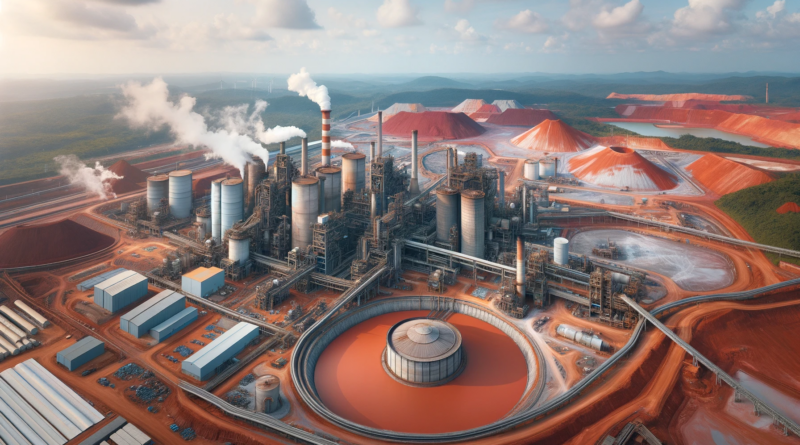
One of the many people who have suggested I look at something in the space of cement and concrete decarbonization suggested red mud. All I knew was that it had something to do with aluminum, and hence I thought it would be another metal slag supplement to cement. You know … [continued]

Publishing On Cement Decarbonization Brings Challenges, Corrections, & More Approaches

A few days ago I went deep on cement again, using an assessment of the processes of American clean cement startups to define the scope and magnitude of the problem, the chemistry and energy requirements of cement, why fixing it is critically important, and incidentally evaluate a couple of companies’ … [continued]

How Much Does Sand, Grit, & Gravel Add To Concrete Carbon Emissions?

During concrete day… errr … week … errr … verging on two weeks this time, I’ve explored a lot of carbon emissions solutions for the full value chain of the gray glue that ensures our buildings don’t collapse, our bridges stay up, and our underground working chambers don’t pancake. We … [continued]

Fly Ash, Silica Fume, & Natural Pozzolans Are Terms To Know When Talking Green Cement

Every domain brings with it a wealth of new language. Being the domain junky that I am, my head is creaking at the seams with jargon and technical terms from a multitude of places. Cement and concrete are no different. Today’s exploration is of the interesting world of supplementary cementitious … [continued]