Geoengineering The Gulf Of Maine
Researchers from Woods Hole Oceanographic Institute are studying ways to reduce ocean acidification near Cape Cod.
The latest research examines the risks and rewards of geoengineering the ocean to make it absorb more carbon dioxide.
Enhanced rock weathering is one of the most promising carbon dioxide removal techniques, but in practice, finding the right rock for the right soil has been a slow, painstaking process. Now, Carbon Drawdown Initiative says it has found very promising results in its research to slash testing times from 200+ … [continued]
The US government says we can never have too much carbon dioxide in the atmosphere. A team of actual scientists strongly disagrees.
The latest report from the US Department of Energy claims there is no such thing as too much carbon dioxide.
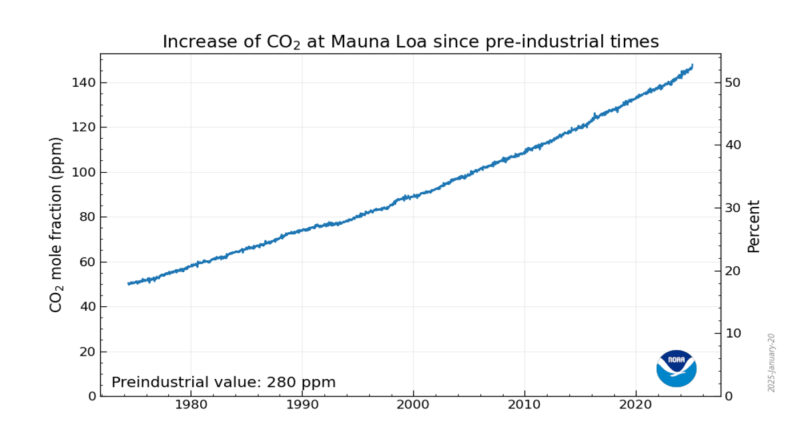
NOAA reports a big jump in atmospheric carbon dioxide levels in 2024, so of course the government wants to eliminate NOAA.
We know that plants sequester carbon dioxide. The Amazon rainforest (what’s left of it), mangrove swamps, and sea grasses all remove carbon dioxide from the air. But a recent study by the Oceans 2050 Global Seaweed Project found that seaweed farming can also be an important source of carbon sequestration. … [continued]
More carbon dioxide was added to the Earth’s atmosphere in 2024 than in any year since the Mauna Loa observatory started tracking it.
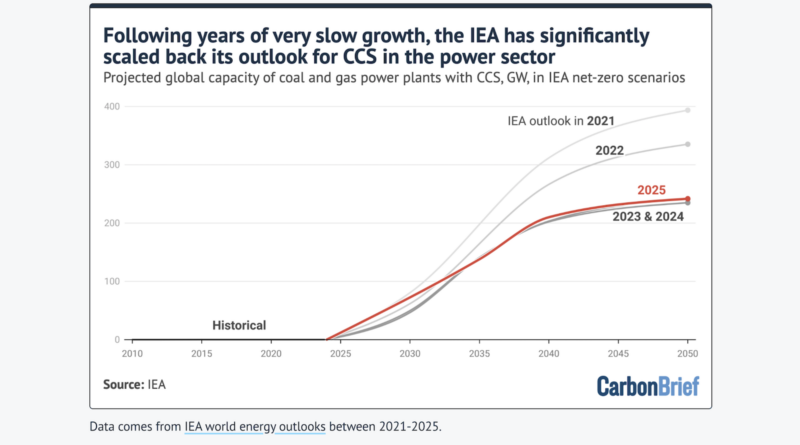
Carbon capture holds tremendous promise — if it works. But in the real world, it doesn’t and is costing taxpayers billions.
Boston Consulting Group (BCG) has announced the purchase of 50,250 tonnes of carbon dioxide removals (CDRs) through ClimeFi, a portfolio manager specializing in permanent carbon removal. This transaction brings BCG’s total CDR purchases to nearly 200,000 tonnes, placing the firm among the top 10 global buyers of durable carbon removal … [continued]