California Air Resources Board

Diesel at $5: Clean Transport Advocates Call on Truck Manufacturers to Help U.S. Trucking Switch…

Diesel prices have surged even faster than gasoline, the national average hit $5.10 per gallon on March 19. Higher diesel means higher costs for trucking, shipping, and groceries; a full supply chain hit. Truck manufacturers must step up to help the U.S. trucking industry transition to electric trucks as diesel … [continued]
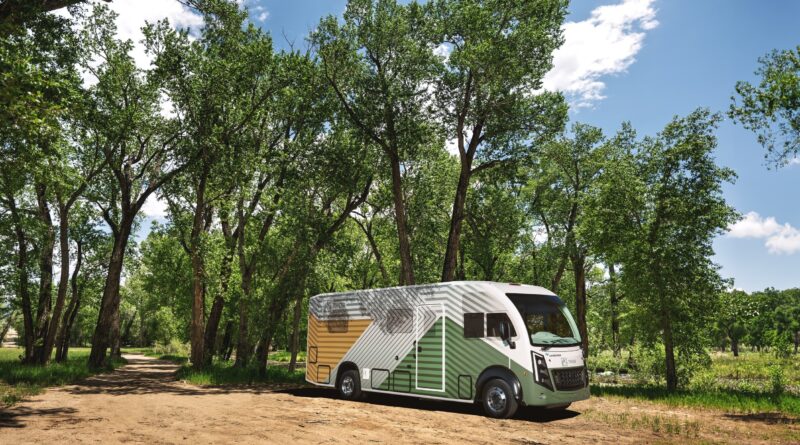
CARB Rules Are Making Motorhomes Harder To Get in January, But The Industry Can Go…

At a recent meeting of the California Air Resources Board (CARB), motorhome manufacturers got some bad news: they would not be getting an exemption from the Advanced Clean Trucks rule. RV companies thought that they’d both have time to adjust and the ability to use emissions credits to keep building … [continued]

California Climate & Energy Update

California is making strides in reducing emissions while the economy continues to grow. Check out some of the state’s recent wins! California continues to charge forward with significant climate wins: The California Air Resources Board (CARB) just released a report showing that California’s emissions continue to fall — a 20% reduction … [continued]

New $242 Million Funding Assistance Program Helps Low-Income Californians Get Zero-Emission Vehicles

Effort expands vehicle purchasing assistance to communities in need across the state SACRAMENTO — The California Air Resources Board (CARB) today announced the launch of a new $242 million effort, the Driving Clean Assistance Program (DCAP), which will prioritize low-income Californians who need grants and loan assistance to get a zero-emission vehicle. … [continued]

What You Need to Know About Advanced Clean Fleets: Funding, Flexibility, & FAQs

It’s been just over a year since the California Air Resources Board unanimously adopted the Advanced Clean Fleets (ACF) Rule, which requires the largest commercial and public fleets operating in the state to gradually transition to zero-emission trucks and buses over the next two decades. By accelerating the adoption of zero-emission … [continued]