Agrivoltaics Make The Leap From Rural To Urban Farming
Detroit’s Solar Neighborhoods initiative deploys agrivoltaics to replace blighted properties with solar energy, urban farms, and biodiverdity restoration.


Detroit’s Solar Neighborhoods initiative deploys agrivoltaics to replace blighted properties with solar energy, urban farms, and biodiverdity restoration.

A gigantic 2-gigawatt agrivoltaic project in China will generate clean power while restoring vegetation in a desert.

A new agrivoltaic project in California will incorporate solar grazing, putting non-prime farmland to use for sheep farming as well as renewable energy production.
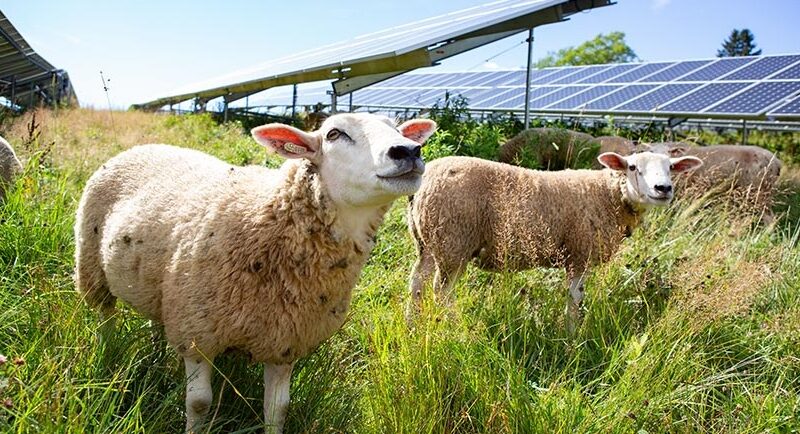
The solar grazing phenomenon is taking off like a rocket as more developers incorporate agrivoltaic design into solar arrays on farmland.
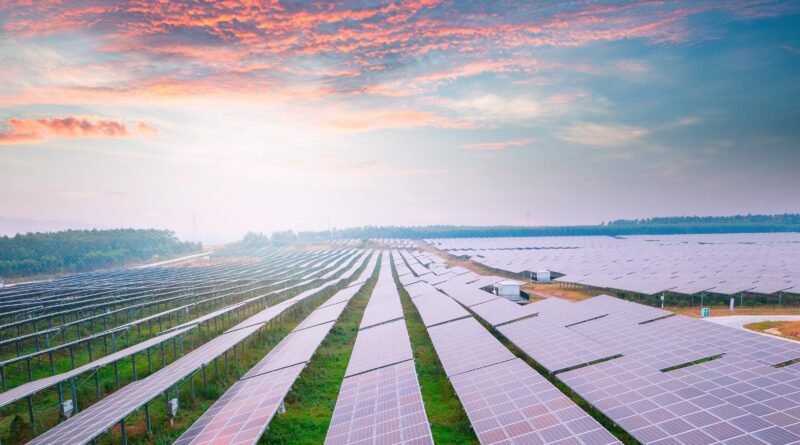
A massive new 1.3 gigawatt solar power plant will feature thousands of acres of restored native grasslands while conserving water and reducing agricultural chemicals near a wildlife preserve.
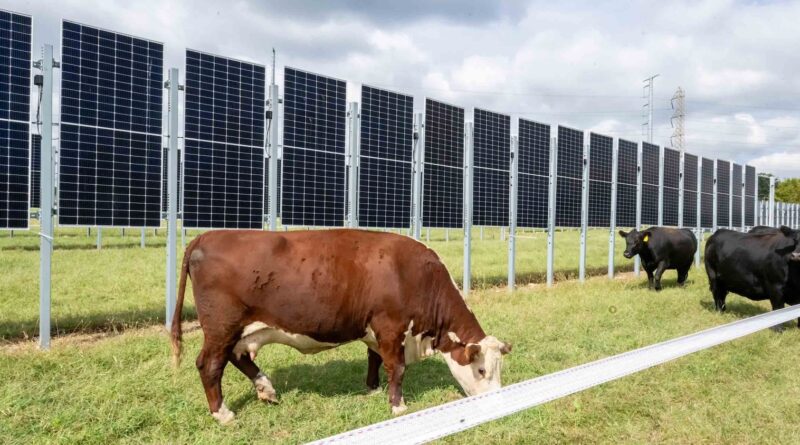
Space-saving bifiacial PV technology is a new addition to the dual-use agrivoltaic movement, which enables farmers to continue working their land while realizing income from solar projects.
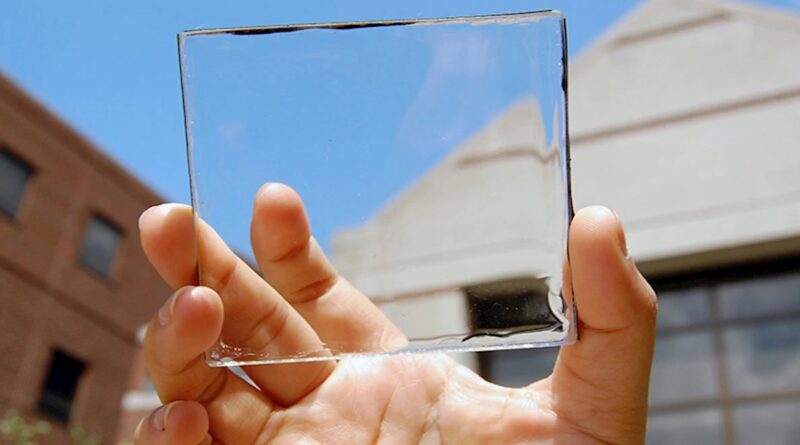
The emerging science of agrivoltaics is on track to collide with see-through solar panels, a new photovoltaic technology pioneered by researchers at Michigan State University.
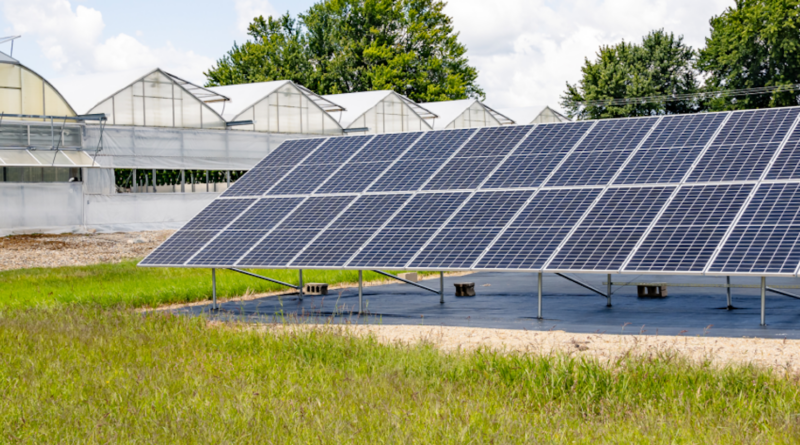
The USDA has just launched a new, $7.3 billion round of funding for clean energy projects, to be spearheaded by rural electric cooperatives.
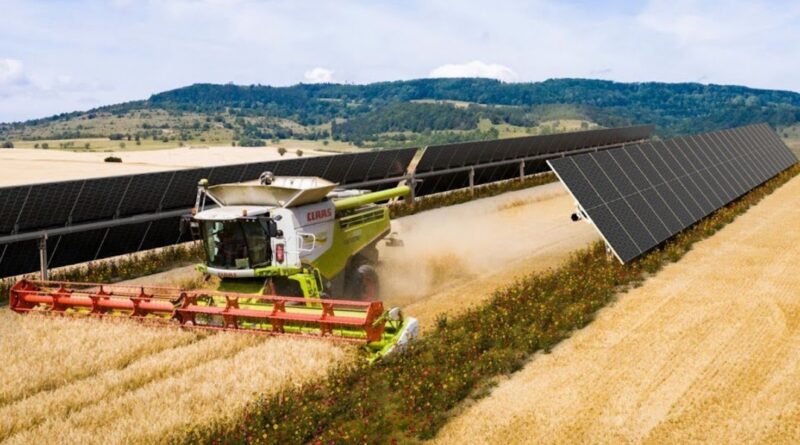
Solar arrays and agriculture are strategically combined in the emerging science of agrivoltaics, focusing on farmer income, sustainable land use, and energy independence.
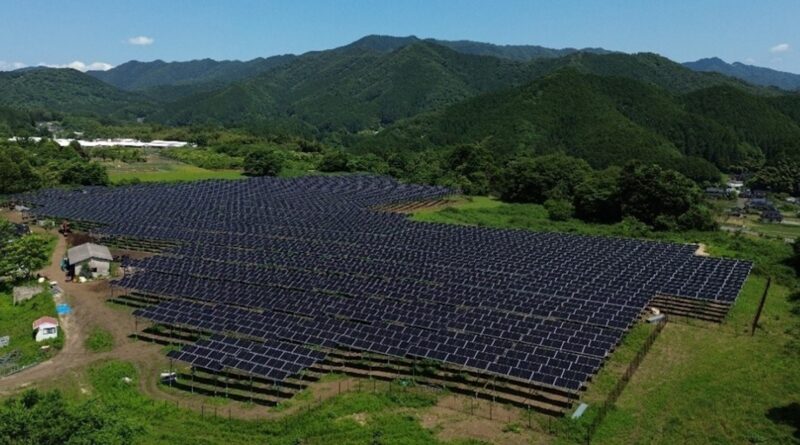
A new agrivoltaic array leverages the shade from solar panels to enhance growing conditions for the Japanese yam ebi-imo, demonstrating how food crops can co-exist with electricity production.
