Policy Research

A 1995 Dodge Ram Shows What US EV Policy Keeps Missing

A reader who owns a hand-me-down 1995 Dodge Ram plans to keep repairing it until rust, gasoline prices or regulation finally stop him. I think he is making a rational household decision. The truck is paid for, he knows how to maintain it, and a repair bill of hundreds or … [continued]
Hydrogen Is Still A Tonnes Market, No Matter How Many MWh We Assign To It

Global hydrogen demand exceeded 100 million tonnes in 2025, and almost all of it was still consumed where hydrogen has been used for decades: refining and industry. That is why kilograms and tonnes are not merely traditional units. They describe the market that exists. An ammonia plant buys a chemical … [continued]

Canada Needs Industrial Policy That Lets The Market Say No

Mark Carney’s industrial-policy agenda has reopened a debate Canada never really escaped: when should government build, finance or shape productive capacity, and when should it leave the result to markets? The proposed C$25 billion Canada Strong Fund makes the question concrete because Ottawa would borrow to capitalize an investment vehicle … [continued]

OCTA Is Spending Again On Hydrogen Because The Fuel Chain Failed

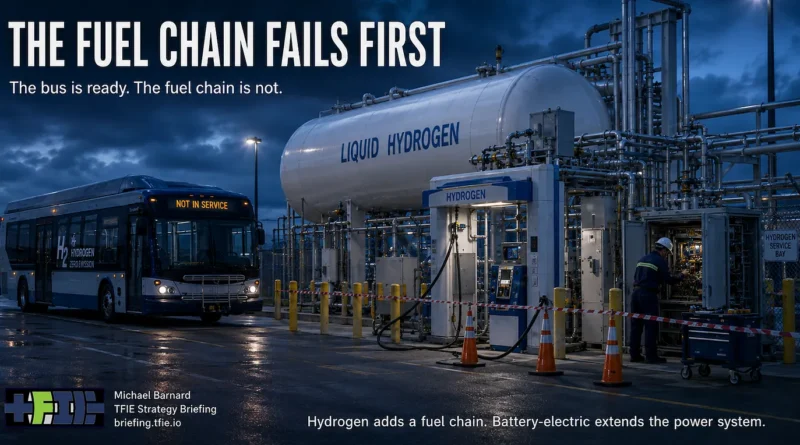
The Orange County Transportation Authority is spending another $27.6 million on hydrogen infrastructure as it expands its fuel-cell bus fleet from 10 buses toward 50. Read the announcement quickly and it sounds like ordinary fleet growth: more buses require more fueling capacity. OCTA’s history makes the story much less straightforward. … [continued]

About $100 Billion Vanished After My Technology Warnings Were Public

The Financial Times supplied an interesting prompt this week. Short sellers have made an estimated $2.1 billion betting against Oklo, NuScale and Nano Nuclear, while $30.3 billion of their combined market value has disappeared since the three small modular reactor developers peaked in October 2025. I have been writing for … [continued]

New Science Says Scrapping A Working Gas Car For An EV Is Usually Greener

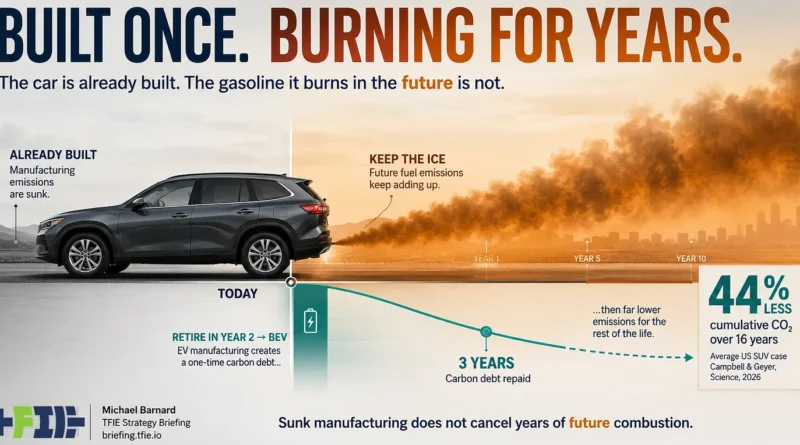
“The greenest car is the one already built” has been one of the more durable arguments against replacing internal combustion cars with EVs. It sounds sensible enough. Manufacturing a new vehicle has a carbon cost, while continuing to drive an existing car avoids another manufacturing event. But that framing quietly … [continued]

Ontario’s First Electricity Shortfall Isn’t A Capacity Shortfall

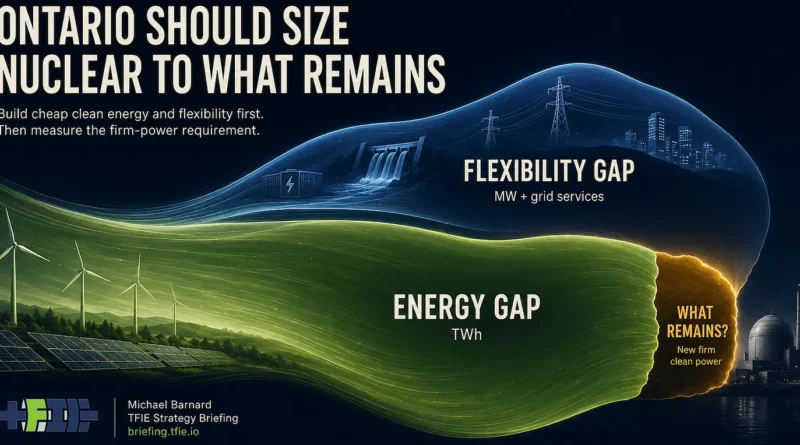
Ontario needs a lot more electricity. Demand hit 145.6 TWh in 2025, up 4.4% in a year, and IESO’s reference case gets to 250 TWh by 2050. But its own range runs from 207 to 297 TWh. That’s not a rounding error. It’s a completely different buildout depending on which … [continued]

Germany’s Hydrogen Industry Is Overselling Its 6 GW Reservation Headline

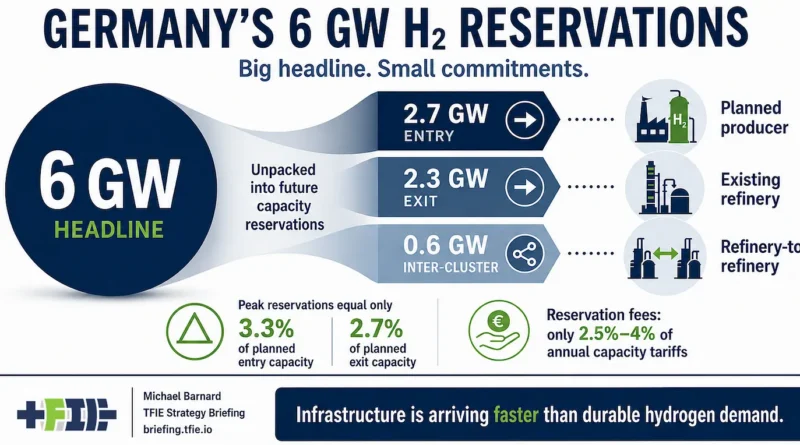
Germany’s hydrogen industry finally has a demand number it can put in a headline: nearly 6 GW of paid reservations on the country’s emerging hydrogen core network. FNB Gas presented the reservations and customers’ willingness to pay as a strong indication that the hydrogen economy is gathering momentum. Six gigawatts … [continued]

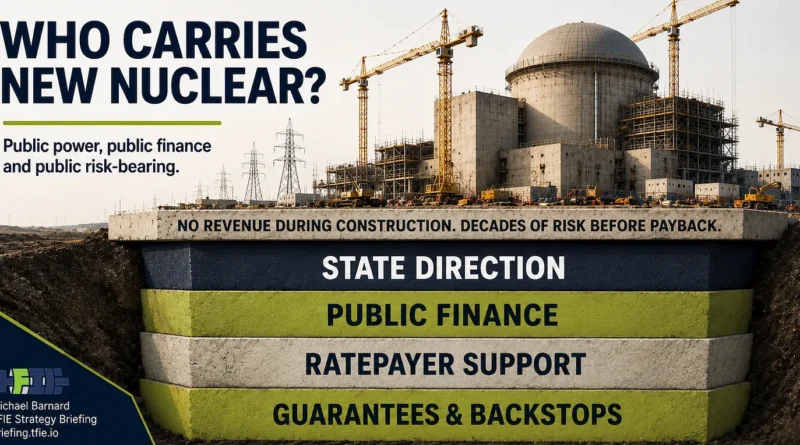
New Nuclear Gets Built When Governments Run Development & Taxpayers Take The Risk

Nuclear power works. It produces low-carbon electricity, avoids the health burden of fossil-fuel combustion, provides firm generation and can operate for many decades. My skepticism about building large new nuclear fleets has never depended on pretending otherwise. The more interesting question is why countries that have built nuclear successfully have … [continued]

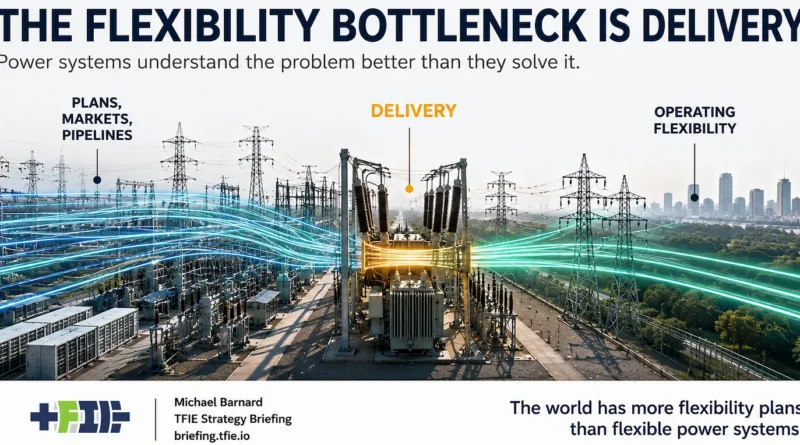
Power Systems Have More Flexibility Plans Than Flexible Grids

Grid flexibility is easy to mistake for a technology market. One jurisdiction announces several gigawatt-hours of batteries, another creates a new ancillary-service product, and a third launches a capacity auction, pumped-hydro program or demand-response target. Those are meaningful signs of activity, but they do not answer the harder question: can … [continued]