Investment

Vertical Aerospace’s eVTOL Can Fly. The Passenger Business Is Still Unproven

Vertical Aerospace’s July appearance at the Farnborough International Airshow was a real engineering milestone. The company publicly demonstrated piloted transition between vertical and wingborne flight, something a powered-lift aircraft has to do safely and repeatedly before certification can advance. Vertical then flew on successive days in front of a large … [continued]

US Lobby’s $1.1 Trillion Freight Rail Electrification Study Intentionally Asked The Wrong Question

Direct electric freight rail is not speculative technology. It already operates across enormous railway systems, moves very heavy freight and works in difficult climates. The interesting North American question is therefore not whether electric freight rail can work, but where catenary should go first, where batteries or dual-mode locomotives make … [continued]

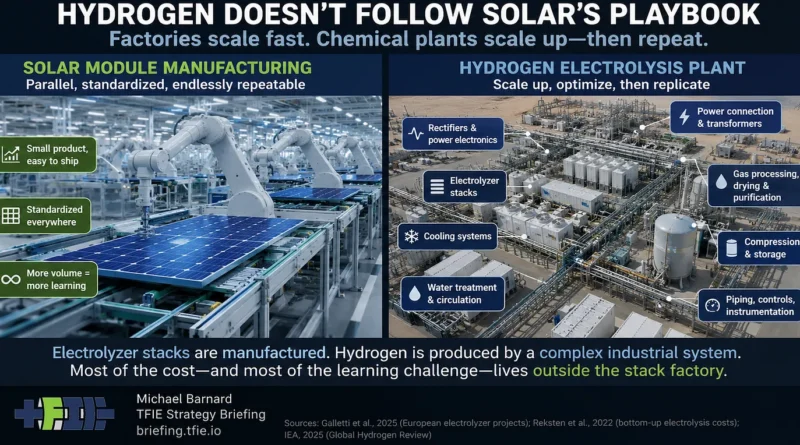
Hydrogen Learning Curves Are Counting The Wrong Doublings

Hydrogen cost forecasts often borrow one of the clean-energy transition’s most useful empirical tools: the experience curve. If a technology has historically fallen by a given percentage in cost every time cumulative deployment doubles, analysts can estimate how many doublings lie ahead and compound the learning rate into a future … [continued]

Hydrogen Kept Failing The Test — And Getting Another Test

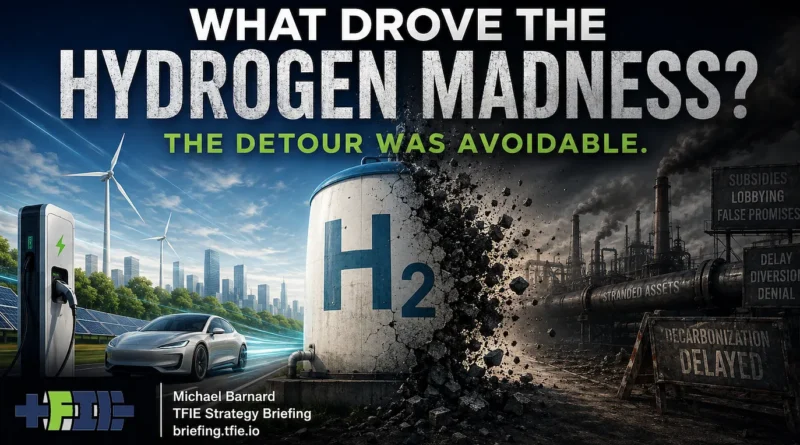
In 2023, a senior executive responsible for decarbonizing a major transportation company asked me, with some exasperation, what drove the “madness on hydrogen.” Hydrogen proposals kept arriving for applications where the energy balance and economics looked dreadful. That conversation became What Drives This Madness On Hydrogen?, an attempt to explain … [continued]

Hydrogen Gets Far More Attention Than Its Deployment Justifies

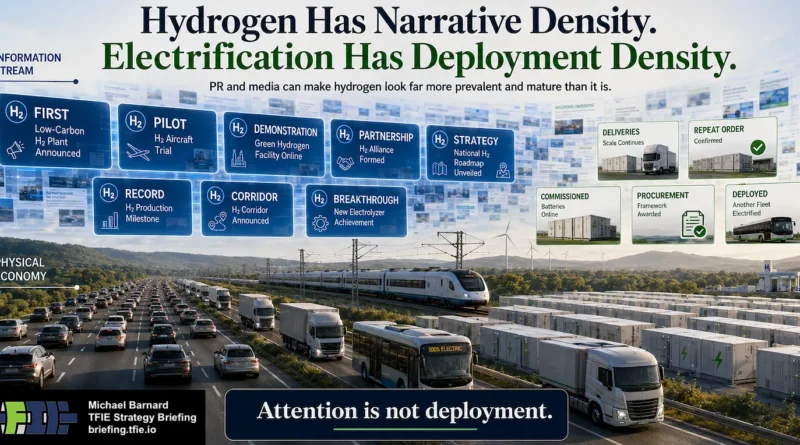
Hydrogen occupies an unusually large share of the energy-transition information stream for the amount of physical deployment behind it. Fuel-cell trucks, buses, trains, ships, storage projects, demonstrations and records recur through corporate releases, government announcements, trade publications and mainstream reporting, creating the impression that hydrogen remains a substantial parallel pathway … [continued]

XPENG Drives Physical AI To Next Level

The next evolution XPENG’s physical AI is beginning to emerge. Announcements over the past week indicate major developments for IRON humanoid robot, VLA 2.0 intelligent driving and the business overall. Many of these developments have not yet been realized in revenue and profits, but are poised to drive the rapidly expanding technology company to the next level in their development.

Methane Thermolysis Has A Carbon Market Problem

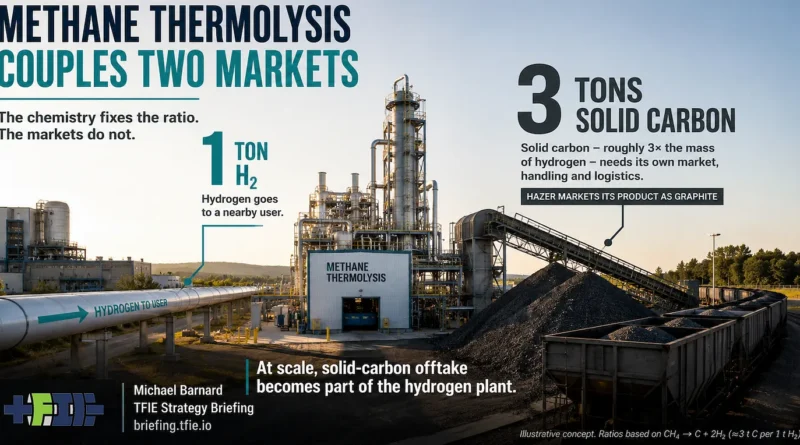
Methane thermolysis has one of the cleaner propositions in the hydrogen space. The process is also commonly called methane pyrolysis, but I prefer thermolysis. An engineer and founder working in the field pointed out to me that the useful distinction is straightforward: it is heat, not flames, doing the work. … [continued]

Canada Needs Industrial Policy That Lets The Market Say No

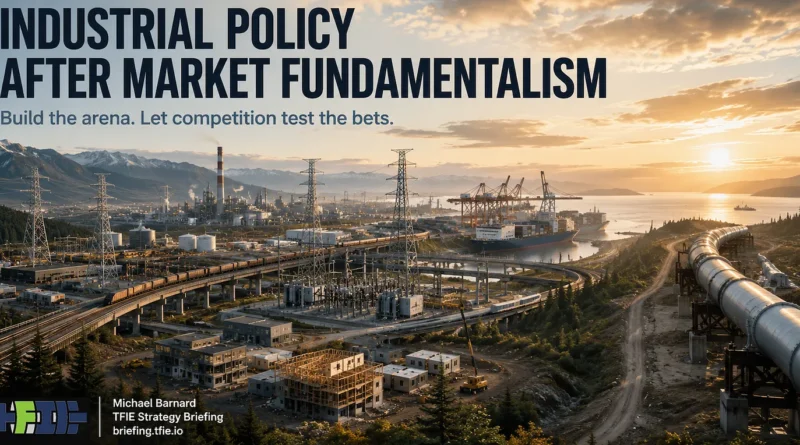
Mark Carney’s industrial-policy agenda has reopened a debate Canada never really escaped: when should government build, finance or shape productive capacity, and when should it leave the result to markets? The proposed C$25 billion Canada Strong Fund makes the question concrete because Ottawa would borrow to capitalize an investment vehicle … [continued]

Heart Aerospace Just Flew The Aviation Transition Investors Should Be Putting Billions Into

Heart Aerospace’s X1 demonstrator flew for 27 minutes on August 12 from Plattsburgh International Airport, powered entirely by batteries. The aircraft has a 106-foot wingspan, weighed more than 25,000 pounds at takeoff and drew more than a megawatt at peak. Heart calls it the largest battery-electric aircraft ever flown. The … [continued]

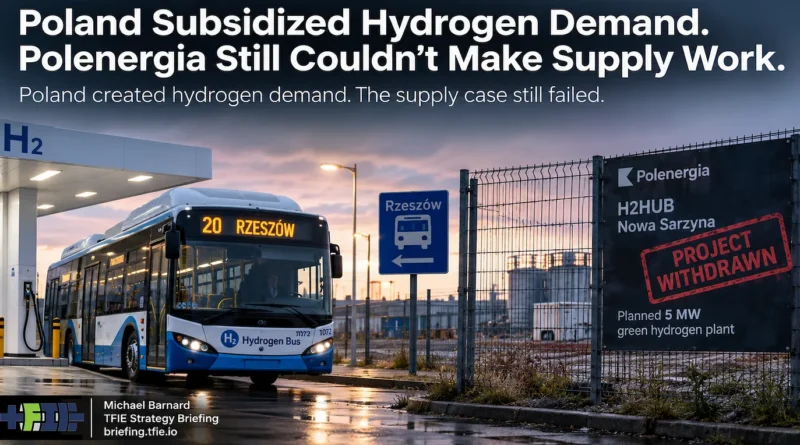
Poland Created Hydrogen Bus Demand. Polenergia Still Walked Away From Supply.

Poland did something hydrogen advocates have spent years saying governments need to do: it created real demand. Public subsidies helped put hydrogen buses into Polish cities, refueling infrastructure received support, and renewable-hydrogen projects were offered public money as well. By April 2026, Poland had 153 hydrogen buses registered, 140 already … [continued]