
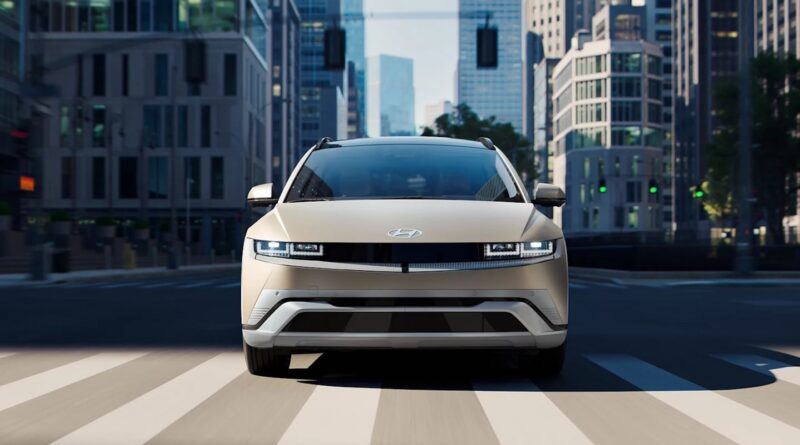
Electric Car Batteries Hold Up Really Well — These Are “The Best”
Support CleanTechnica's work through a Substack subscription, on Patreon, or on Stripe. Help us produce all of the high-quality, original content we publish week after week despite the challenges of content-scraping AI, antisocial media, inflation, and other hurdles.
In general, there’s far more concern about electric car range and electric car battery longevity than there needs to be. We’ve got a 2019 Tesla Model 3 SR+ and a 2018 BMW i3 REx and just need to charge them up once or twice a week overnight at home. Electric cars on the market now have far, far more range, better batteries, and negligible concern about battery longevity.
Electric cars have like three to four times more range than they did a decade ago, so even if they see significant battery degradation, they are still going to have far more range than electric cars bought 10 years ago had!
Anyway, Aviloo, an EV diagnostics company, recently examined the batteries of a bunch of electric vehicles to see how well they held up after 50,000 km (31,068 miles), 100,000 km (62,137 miles), and 150,000 km (93,205 miles). They conducted 500,000+ battery health tests for this. Let’s take a look at the results and see who fared best.
Oh, also note that these tests spanned most continents — North America, South America, Europe, Asia, and Australia — and took place between 2022 and 2026. Also, of course, not all EV models were examined (that would be impossible). The company looked at just 20 popular models. So, we can see which models did the best from this group, but we don’t know which electric car models truly have the best medium-term and long-term battery performance.
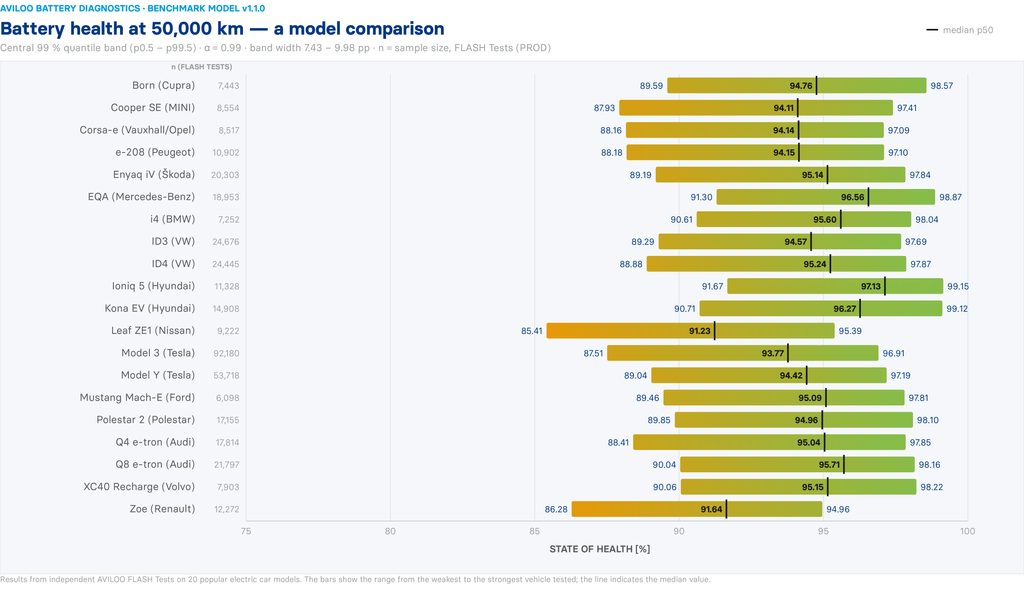
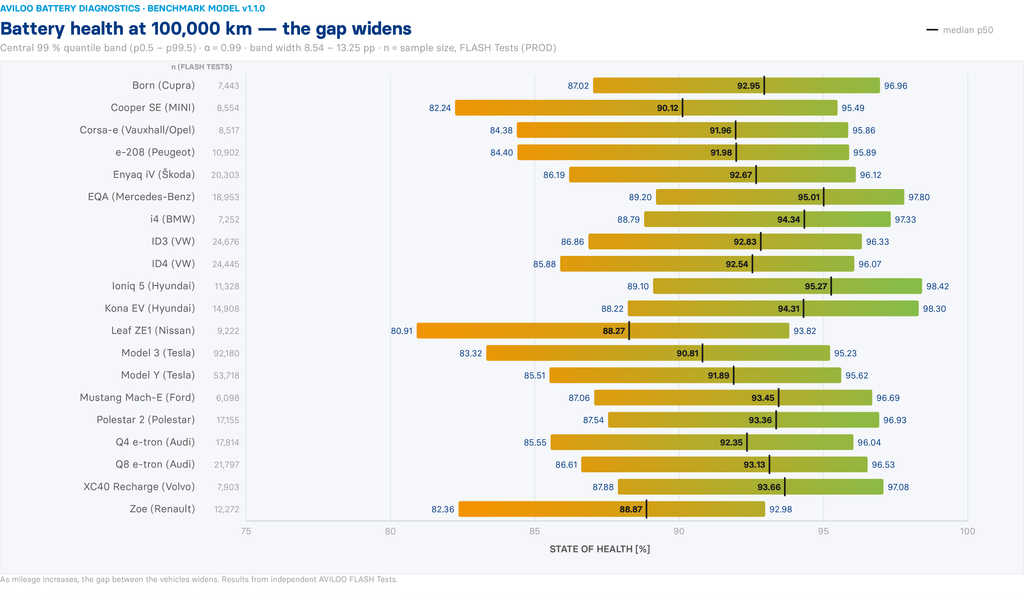
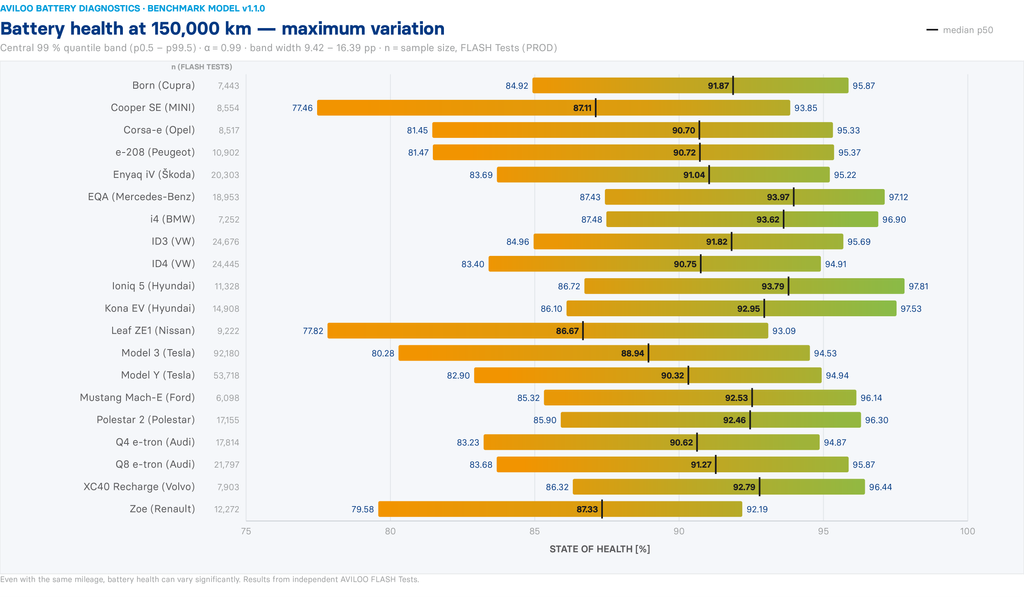
So, as we can see, these electric car models largely had about 95% of their original battery capacity (or range) remaining after 50,000 km, and they were typically in the lower 90% after 150,000 km. Some of the cars tested had still only lost a few percent of their original capacity even after 150,000 km. However, some had lost about 20%, or even did so after about 100,000 km. Frankly, when we’re talking about hundreds of kilometers of original range, in my humble opinion, it really doesn’t matter or make much difference. Perhaps you charge a few more times in a month, and that takes a few seconds of actual activity on your part each time.
Some standout models, as you can see, are as follows:
- Hyundai IONIQ 5
- Hyundai Kona EV
- Mercedes-Benz EQA
- BMW i4
- Volvo XC40 Recharge
- Polestar 2
- Ford Mustang Mach-E
Kudos to those models and brands, and congratulations to anyone who chose to buy them!
I won’t focus in on the models that did less well, but feel free to chime in down below with any thoughts you have on those, or on the top-performing models.
Sign up for CleanTechnica's Weekly Substack for Zach and Scott's in-depth analyses and high level summaries, sign up for our daily newsletter, and follow us on Google News!
Have a tip for CleanTechnica? Want to advertise? Want to suggest a guest for our CleanTech Talk podcast? Contact us here.
Sign up for our daily newsletter for 10–15 new cleantech stories a day. Or sign up for our weekly one on top stories of the week if daily is too frequent.


CleanTechnica uses affiliate links. See our policy here.
CleanTechnica's Comment Policy

