
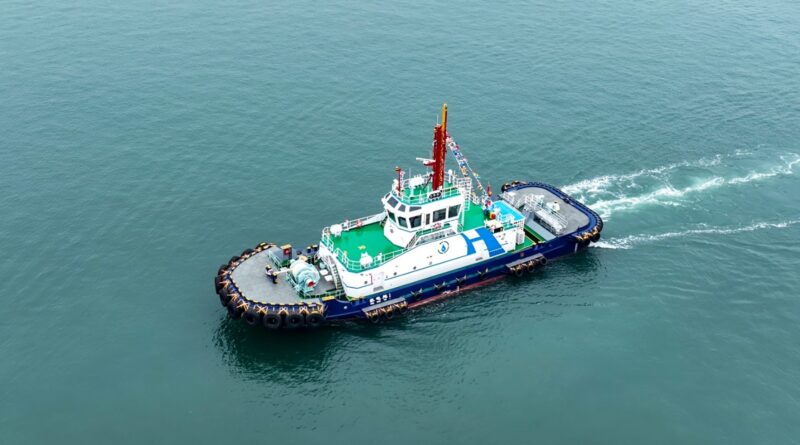
CATL Expects Oceanic Electric Ships in 3 Years
Support CleanTechnica's work through a Substack subscription or on Stripe.
Or support our Kickstarter campaign!

News in batteries and electrification has been coming fast and furious lately. Recently, Su Yi, the head of CATL’s marine division, stated, “CATL’s marine business already covers inland rivers, lakes, and coastal waters, and is now advancing toward ocean-going applications.”
“In the near future — perhaps within the next three years — we will achieve pure-electric vessels navigating the open seas.”
CATL is determined to provide zero-carbon marine transportation. CATL has not been content to merely make batteries, but has dedicated efforts towards application in several sectors, including grid storage, passenger vehicles, and ships. CATL’s marine division has been in operation since 2017, expanding efforts in shipping. In 2023, it introduced a comprehensive battery replenishment solution including battery swapping, charging, and a cloud-based system providing shared mobile application of containerized power for optimal efficiency and economics. Those efforts resulted in several major products, containerized mobile power, high-voltage high-power charging systems, and the cloud information platform. This comprehensive system provides a seamless solution for electric ships.

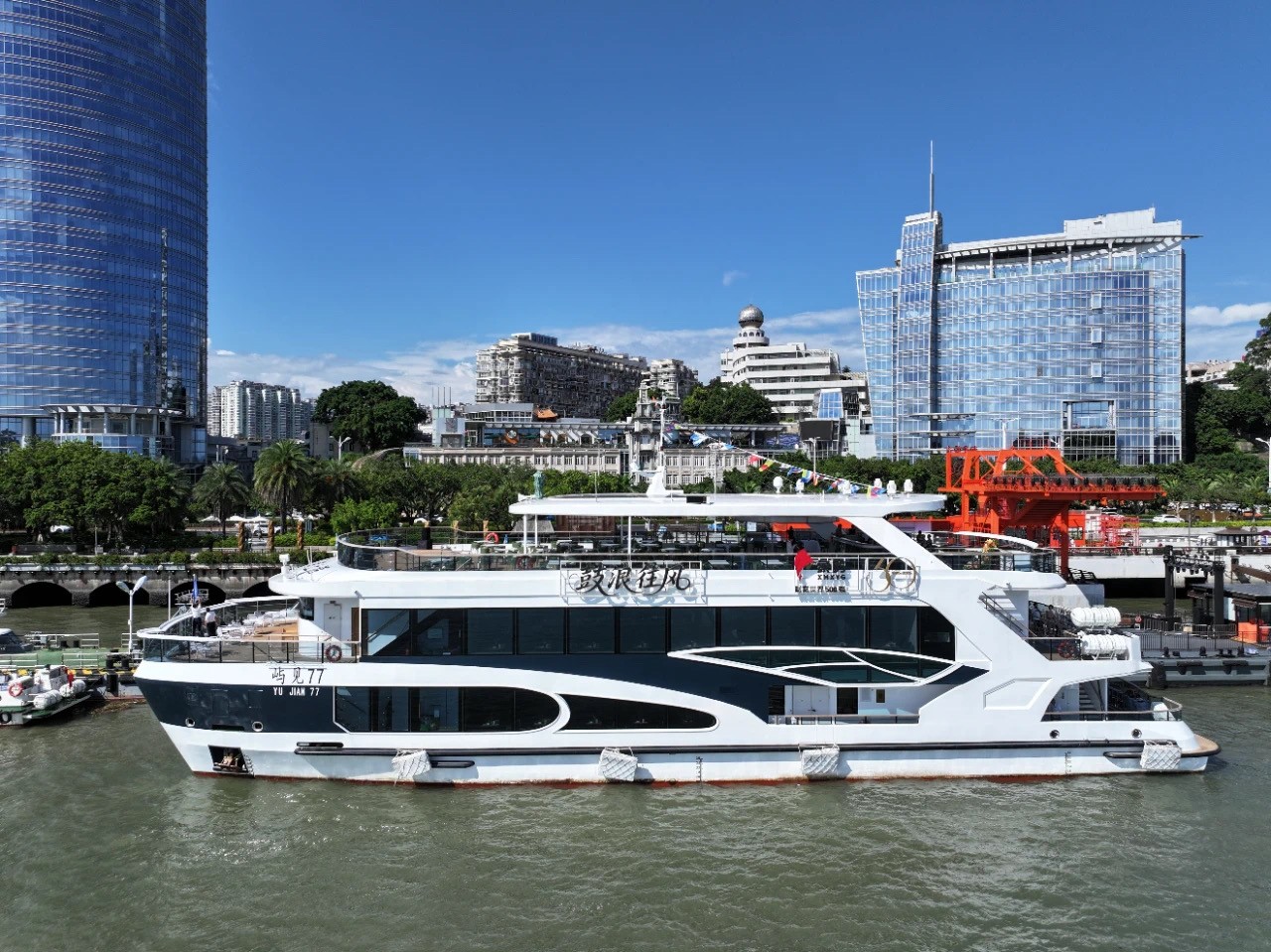
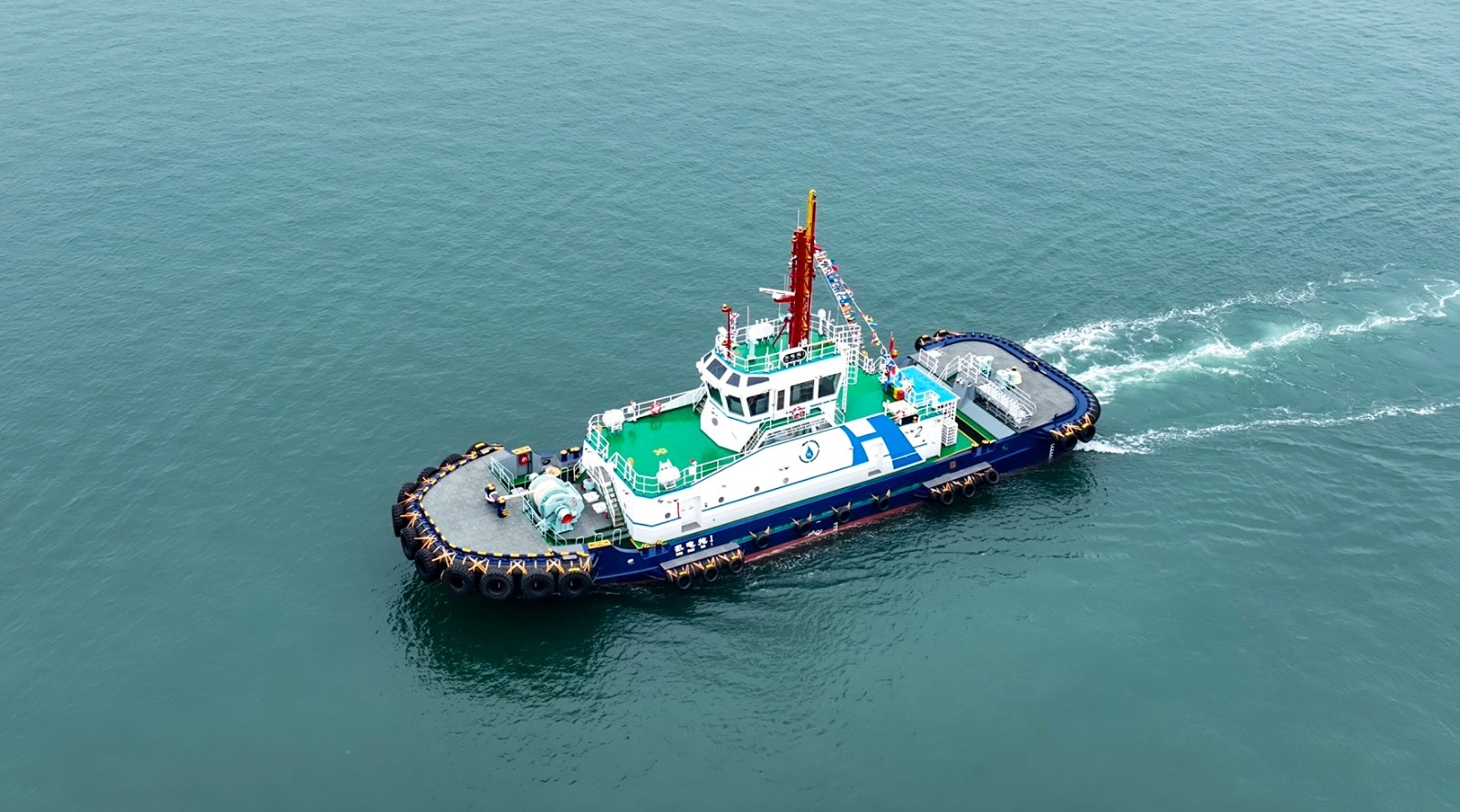
Sharp-eyed readers may have noticed CATL’s recent discussion with shipping giant Maersk and that it has been busy collaborating with shipping partners. CATL has supplied batteries for over 900 vessels, including the Yangtze River Three Gorges 1 cruise ship, the world’s first pure electric ocean-going passenger ship, and the Qinggang Tug 1 tugboat.
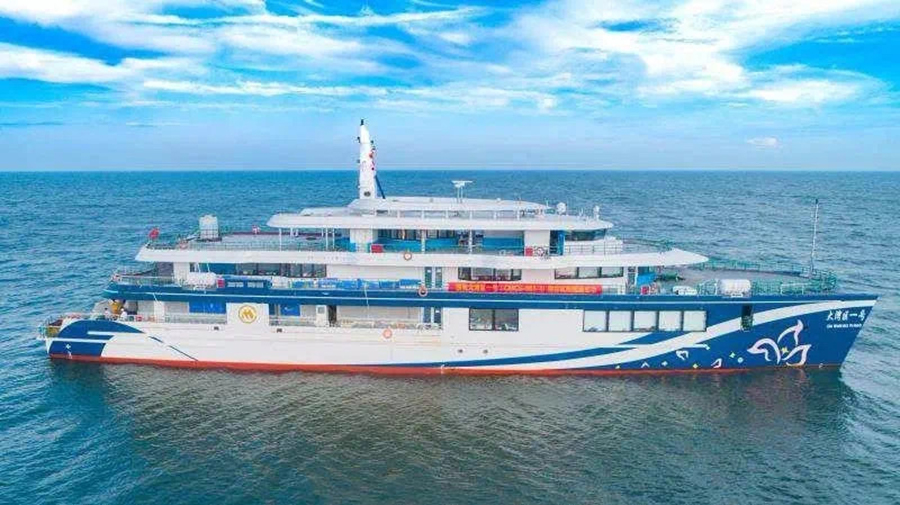
Recent battery price drops indicate that possibilities for long range electric shipping are improving. The expected timeline for electric shipping dovetails with the expected timeline for sodium-ion battery (SIB) volume production and resulting cost reductions. The material costs of SIBs are expected to lower costs significantly, opening up applications and speeding up electrification. While passenger transport has been successfully electrified, with EVs surpassing ICE parity with battery costs well below $100/kWh enabling widespread adoption, ships can increasingly take advantage of lower-cost batteries for expanded electrification. Studies have shown that long-distance electric ships with up to 5,000 km of range can be successfully utilized using today’s battery capabilities, without significant weight and volume. CATL appears to be aware of this. Marine division head Su Yi notes CATL’s “full-spectrum growth” strategy, with goals to electrify maritime and aviation sectors. Sodium-ion technology may remove the last barrier to widespread maritime electrification.
Support CleanTechnica via Kickstarter

Sign up for CleanTechnica's Weekly Substack for Zach and Scott's in-depth analyses and high level summaries, sign up for our daily newsletter, and follow us on Google News!
Have a tip for CleanTechnica? Want to advertise? Want to suggest a guest for our CleanTech Talk podcast? Contact us here.
Sign up for our daily newsletter for 15 new cleantech stories a day. Or sign up for our weekly one on top stories of the week if daily is too frequent.
CleanTechnica uses affiliate links. See our policy here.
CleanTechnica's Comment Policy

