The US Can Still Make Tidal Energy Happen
A new round of tidal energy activity is beginning to surface in the US, including a plan to install slim, powerful tidal turbines from the Scottish firm Orbital Marine Power in Washington State.

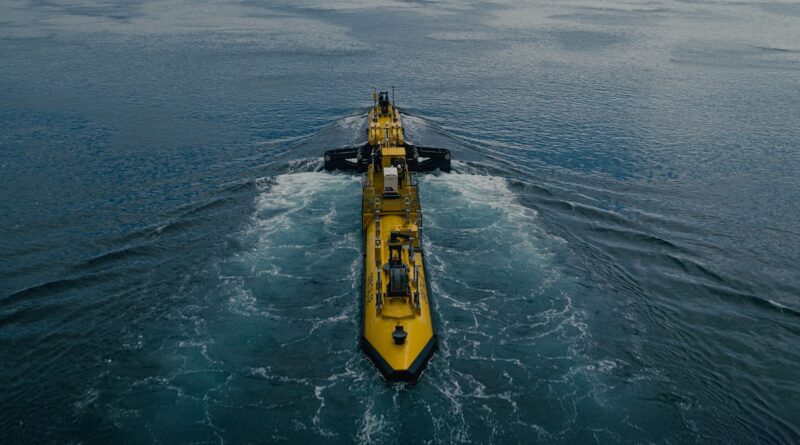
A new round of tidal energy activity is beginning to surface in the US, including a plan to install slim, powerful tidal turbines from the Scottish firm Orbital Marine Power in Washington State.
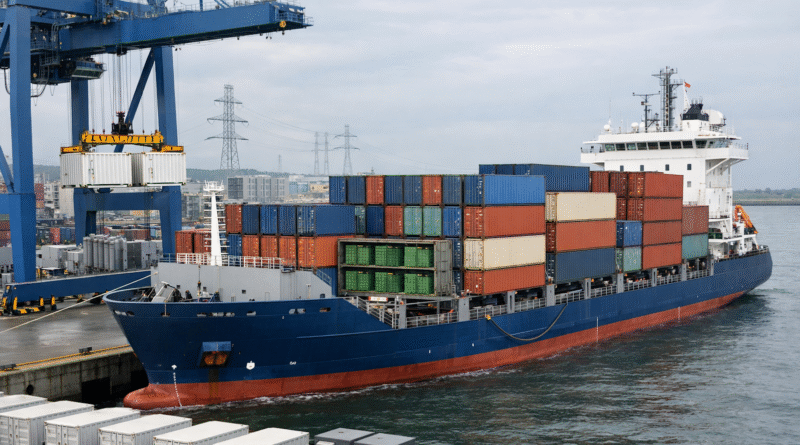
Most maritime battery studies are already obsolete. That is not a criticism of the researchers who wrote them. It is a recognition that their assumptions were grounded in the battery costs and energy densities available at the time. Several of the most detailed recent merchant shipping studies modeled battery system … [continued]

Webinar Series Will Highlight How Researchers Test and De-Risk Marine Energy Microgrid Technologies in the Lab In remote places where water flows freely but electricity often does not, the potential to harness the power of waves, currents, and tides is palpable. But is it possible? Although marine energy technologies like … [continued]
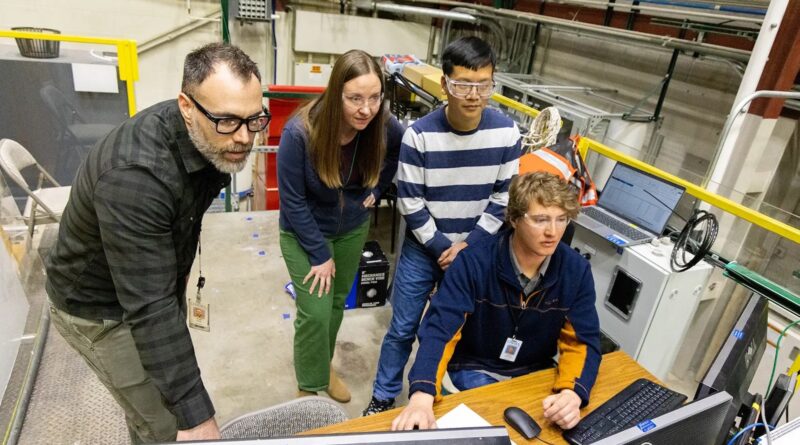
Updated Tool Could Help Marine Energy Developers Save Time, Money, and Effort A team of national laboratory researchers recently released version 1.0 of the Marine Hydrokinetic Toolkit (MHKiT)—a free, publicly available software tool used to process, analyze, visualize, and standardize marine energy data. Marine energy—energy generated from ocean and river waves, currents, … [continued]
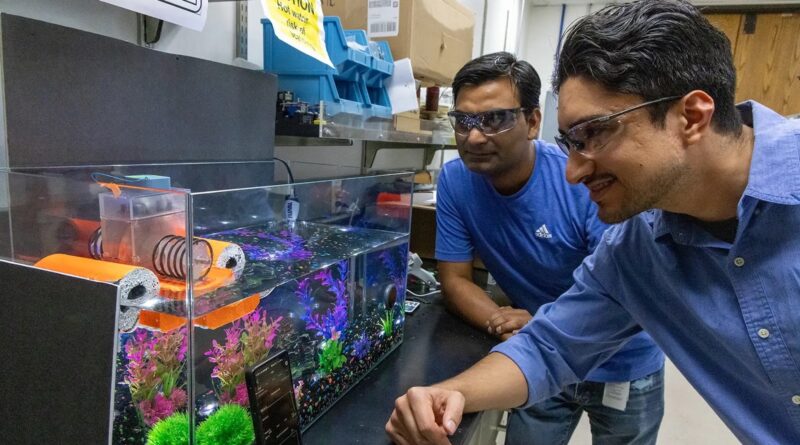
Compact Thermomagnetic Generator Delivers Continuous Electricity Using Natural Temperature Differences Between Ocean Water and Air The key to future technologies can sometimes be found in the past. What Ravi Kishore is working to perfect, for example, has its origins in the 19th century imaginations of Nikola Tesla and Thomas Edison. … [continued]
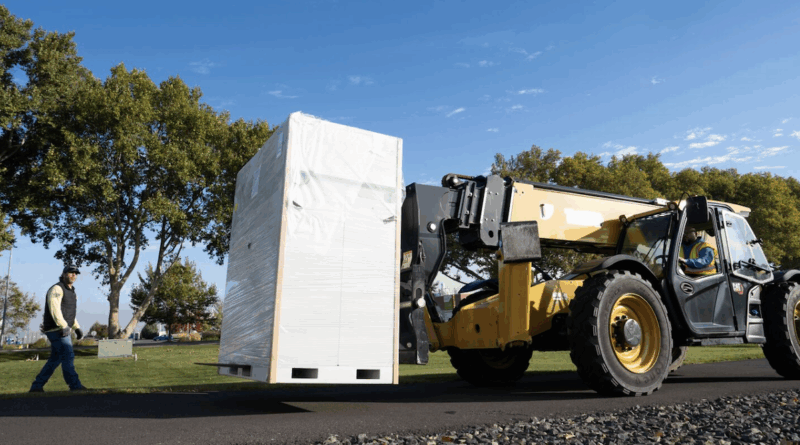
Vanadium flow battery technology will be the first to take advantage of a new energy storage test facility hosted by the US Department of Energy’s Pacific Northwest National Laboratory.
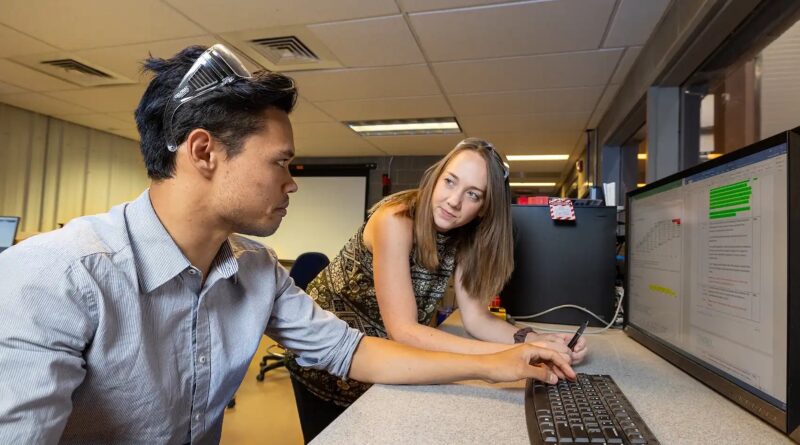
How a Forthcoming Modeling Tool Could Help Developers Rapidly Assess the Potential of Any Floating Device Can your technology triumph in the ocean? Ask SEA-Stack. True to its name, this one-of-a-kind, free, open-source tool combines (or stacks) multiple wave energy modeling capabilities into one user-friendly package. With SEA-Stack, wave energy … [continued]
The first day of the Singapore International Energy Week (SIEW) saw Francesco La Camera, the Director General of the International Renewable Energy Agency (IRENA), delivering a resolute address, emphasizing the unprecedented dominance of renewables in new energy projects and firmly asserting that the global energy transition is accelerating, not faltering. … [continued]
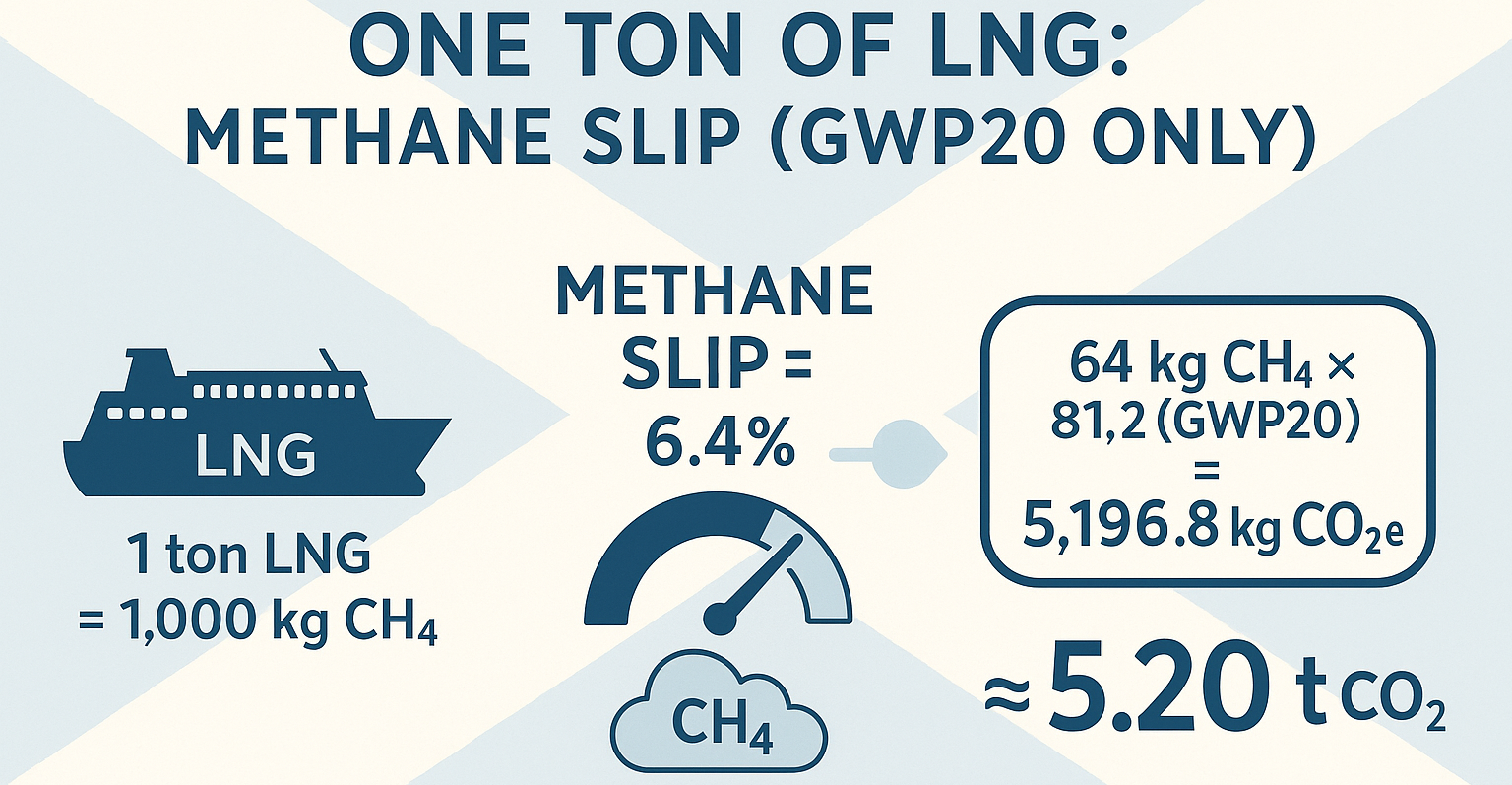
Scotland’s Glen Sannox was launched with fanfare as the country’s first “green” ferry, meant to reduce the impact of crossings between the mainland and Arran. It was designed as a dual-fuel vessel, running on either marine diesel or liquefied natural gas, with the promise of cleaner air and lower emissions. … [continued]

Innovators in the US marine energy field continue to benefit from Energy Department support through the TEAMER network of research and testing resources.
