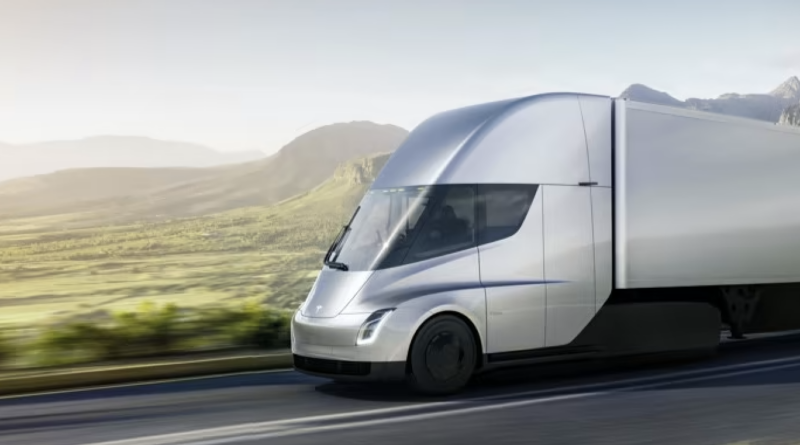
Tesla Planning 64 New Megacharging Sites Across 15 States?
Support CleanTechnica's work through a Substack subscription or on Stripe.
Tesla employee Jason Gies shared this on LinkedIn recently:
“The full Tesla Find Us map is now live.
Go look at it. This is no longer a press release. It’s geography.
You can see Megachargers and coming soon sites forming a backbone across the country. Chicago is becoming a real anchor. The Southeast is filling in. Corridors are starting to connect, not just scatter pins.
If you run regional or long-haul freight, this matters. Public charging gives you route flexibility. Behind-the-fence charging keeps daily operations tight. MCS alignment signals where high-power charging for Class 8 is headed.
Infrastructure is starting to follow freight patterns.”
In looking at the Find Us map, there are pins with “Megacharger coming soon” labels.
Several news sites have interpreted this information to mean Tesla is planning many more Megacharger sites in various states. The website Clean Trucking put it this way, saying “the EV manufacturer has now updated its “Find Us” map to include 64 additional charging sites across 15 states.”
It was just three weeks ago that Pilot announced more Tesla Megachargers will be installed at its retail sites, as reported here on CleanTechnica. “The Pilot Travel Centers receiving the new Tesla semi chargers will have 4 to 8 charging stalls per center. Each charger will be able to deliver 1.2 MW of power. The new chargers are intended for Tesla Semis, but in the future they may be augmented for compatibility with other electric “big rig” trucks.”
For those of us interested in sustainability, we know electrification of overland shipping plays a significant role in reducing harmful air pollution and it can cost less than continuing to use fossil fuels, because electricity can cost less and electric motors are more efficient.
Electric vehicles also have benefits such as providing backup electricity to grids when they are used in virtual power plants. Drivers of ‘big rigs’ that are only electric also do not have to expose themselves to diesel fumes when refueling and are not exposed to diesel fumes and exhaust when driving. There is another benefit: diesel trucks sometimes spend a great deal of time idling, and while they are idling they generate toxic air pollution even though they are not going anywhere. Electric trucks can simply be turned off when not in use so they don’t consume any electricity.
I hope the Tesla Semi does enter high-volume production this year and it proves to be a winner of a semi-truck with adequate range and energy efficiency. At same time, having ‘coming soon’ labels on an online map does not have to mean all those proposed charging sites will have real chargers installed and operating soon. I hope they are installed, but at this time I am a bit skeptical.
I am not saying Tesla is doing this, however, I have seen some companies make public announcements which overpromise and then they don’t follow through fully.
Sign up for CleanTechnica's Weekly Substack for Zach and Scott's in-depth analyses and high level summaries, sign up for our daily newsletter, and follow us on Google News!
Have a tip for CleanTechnica? Want to advertise? Want to suggest a guest for our CleanTech Talk podcast? Contact us here.
Sign up for our daily newsletter for 15 new cleantech stories a day. Or sign up for our weekly one on top stories of the week if daily is too frequent.
CleanTechnica uses affiliate links. See our policy here.
CleanTechnica's Comment Policy