



Support CleanTechnica's work through a Substack subscription or on Stripe.
Great news, EV fans! The latest report from Germany’s Der Spiegel (translated by Electrive) shows that the EV revolution is alive and well, despite the best efforts of the US administration to kill it and for us all to drive vehicles powered by coal.
Mercedes Sales Success

A year ago, Mercedes introduced the CLA, the first production car based on its latest MMA 800 volt EV platform derived from its experimental EQXX sedan. That was followed later in the year by the GLB, a battery-electric SUV for those who want more room to haul stuff that a sedan can handle.
In September, the company introduced its latest GLC, which is being produced at its factory in Bremen, at the IAA Mobility show. Mercedes started its transition to electric cars by labeling them EQ to distinguish them from its conventional cars, but has since discovered that the brand equity in its traditional model names is stronger than it was thought to be. Thus it has abandoned the EQ branding, so the GLC is what used to be called the EQC but is now marketed as the GLC with EQ Technology.
It’s working. The GLC line is now operating around the clock with three shifts a day and extra shifts added on weekends to keep up with demand. Last week, Mathias Geisen, the sales director for Mercedes, told the press in Germany, “Following the outstanding start of the new CLA, demand for the new all-electric GLC is now also significantly exceeding our expectations.” The company added that “order books [are] already filled well into the second half of 2026,” meaning that those who order now will not receive their cars until the third quarter of this year at the earliest.
BMW EV Sales Surging
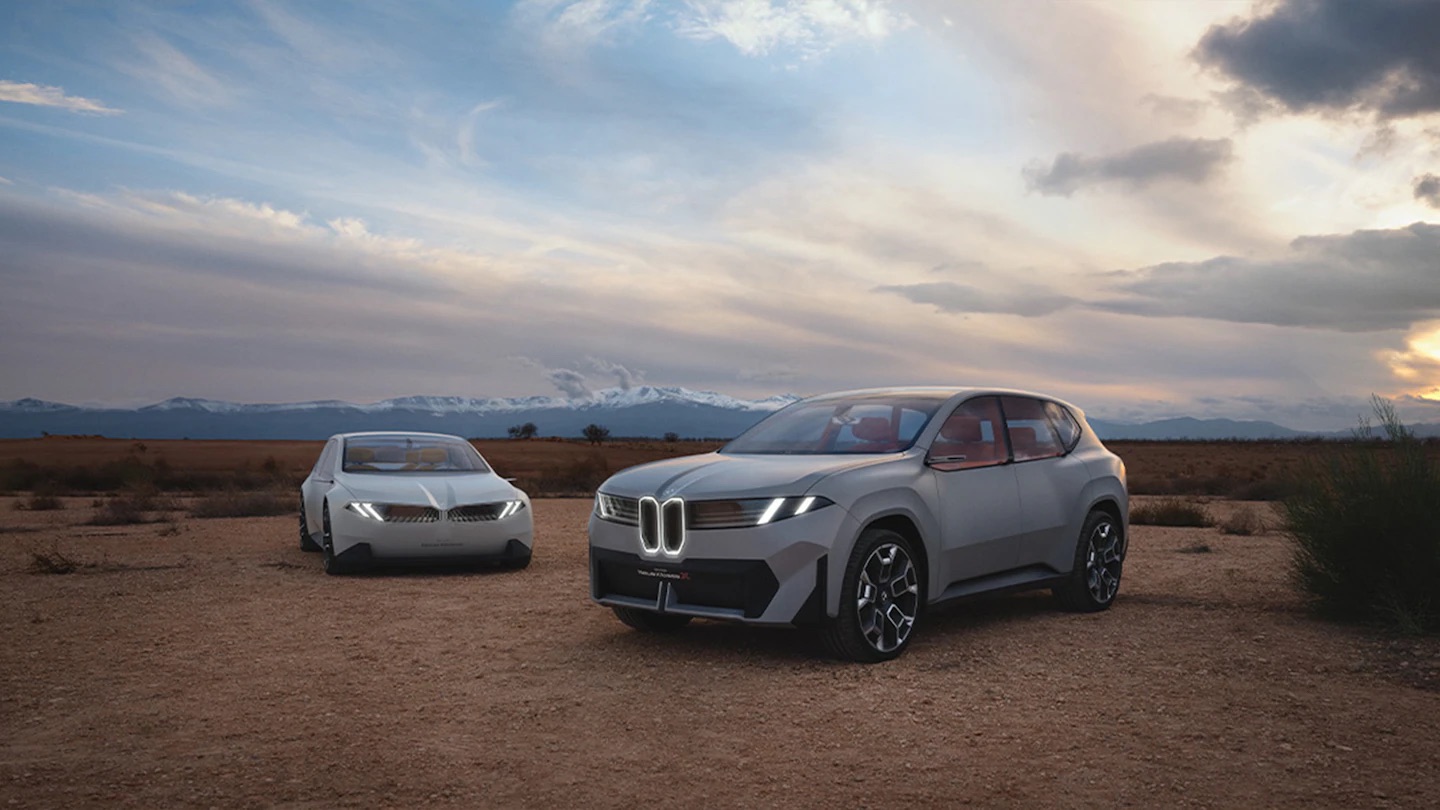

BMW also has a next generation of electric cars going into production based on its Neue Klasse platform. The first model to reach production is the iX3, a car that was also introduced at the IAA show. Der Spiegel reports the iX3 has seen a “very high volume of orders.” As a result, the company plans to accelerate production at its new plant in Debrecen, Hungary, and introduce an additional shift earlier than planned.
In the auto business, a lot is made of so-called “conquest sales,” which measure how many buyers are switching away from models from other manufacturers. According to BMW, a third of the customers who have placed an order for the iX3 fall into that category. Electrive notes this is an important statistic, given that all the orders so far have been received before the customers were able to actually test drive one of the new cars. The actual cars will not begin arriving at dealerships until March.
The so-called Neue Klasse vehicles from BMW will eventually encompass eight different models, with the iX3 being the first. Next up will be the battery-powered i3 sedan, with the i3 Touring electric wagon to follow.
The BMW iX3 and the Mercedes GLC with EQ Technology compete head to head in the marketplace. Both feature 800 volt technology and high power charging. Both are about 4.8 meters long and both start at around €70,000.
BMW Group increased its electric vehicle sales by 3.6% to 442,072 units in 2025, even though the Neue Klasse vehicles were not yet available. Worldwide, EVs accounted for about 18% of BMW sales in 2025. Mercedes, on the other hand, experienced a 4% decline in electric car sales to 197,300 — just 9.4% of its annual sales worldwide. Both manufacturers see the strong demand for their latest battery electric offerings as proof that the EV revolution is progressing, even if not quite as quickly as hoped.
More Good News For EV Advocates
According to a report by The Telegraph in the UK, electric cars outsold 100% gasoline-powered cars in Europe for the first time in December 2025 (not counting hybrids of any type). The numbers are close. 217,900 electric cars were sold across the EU in December, compared to 216,500 conventional cars.
But what is more important is the sales trends. According to the European Automobile Manufacturers’ Association, electric car sales were up 51% compared to December of last year, while sales of gasoline-powered cars were down 19.2%. As Bob Dylan might say, “You don’t need a weatherman to know which way the wind blows.”
The association notes the increase in EV sales has occurred despite a decision by the EU to water down emissions rules that would have mandated higher EV sales in the years to come amid fears the regulations would crush domestic German and French automotive manufacturers. Its figures show Chinese brands continued to make substantial gains in the European market last year, with BYD more than doubling its December sales to 18,000.
Chris Heron of E-Mobility Europe said, “Electric cars overtaking petrol shows the transition is working. New incentives and more EU-made models in 2026 will strengthen that momentum. Europe’s market doesn’t need further regulatory loosening. It needs stability and conviction. Any further steps back from the 2035 goal would undermine consumer confidence at precisely the wrong moment.”
Matthias Schmidt, an independent automotive analyst, said it will take about a half a decade before pure electric cars genuinely overtake combustion-engine models across the region, “but this is nonetheless a start.”
The takeaway here is that the transition to electric cars is continuing in Europe and is in fact accelerating. Take heart, EV fans. The best is yet to come!
Sign up for CleanTechnica's Weekly Substack for Zach and Scott's in-depth analyses and high level summaries, sign up for our daily newsletter, and follow us on Google News!
Have a tip for CleanTechnica? Want to advertise? Want to suggest a guest for our CleanTech Talk podcast? Contact us here.
Sign up for our daily newsletter for 15 new cleantech stories a day. Or sign up for our weekly one on top stories of the week if daily is too frequent.

CleanTechnica uses affiliate links. See our policy here.
CleanTechnica's Comment Policy