



I’ve been following the African electric motorcycle sector for almost 10 years now, from the time of early pilots to present day commercial rollouts and ramp-ups in production. The sector was always going to flourish in the long term based on several factors:
- A large addressable market of over 30 million internal combustion engine motorcycle taxis across several African countries.
- High operations and maintenance costs associated with a high fossil fuel ecosystem and frequent maintenance cycles due to the heavy usage patterns in the motorcycle taxi industry.
- Low profits for riders working in this motorcycle taxi sector, meaning riders will benefit immensely from the lower total cost of ownership associated with switching to electric.
- Established motorcycle financing systems for riders, coupled with battery as a service models that substantially lower the barriers to adoption.
All of these points plus other factors presented a good opportunity for players to disrupt the ICE motorcycle sector. This has led to over 100 companies venturing into the electric motorcycle sector across the African continent. With adoption growing — as seen by the tens of thousands of electric motorcycles now being sold each year across several countries, and market shares of electric motorcycles sales hitting 16% and above in the overall motorcycles sales market for places like Kenya — the leading players in the industry are now focusing on improving their product offering, increasing the share of locally sourced components, and using the learnings from previous versions of their products to offer customers the best solutions.
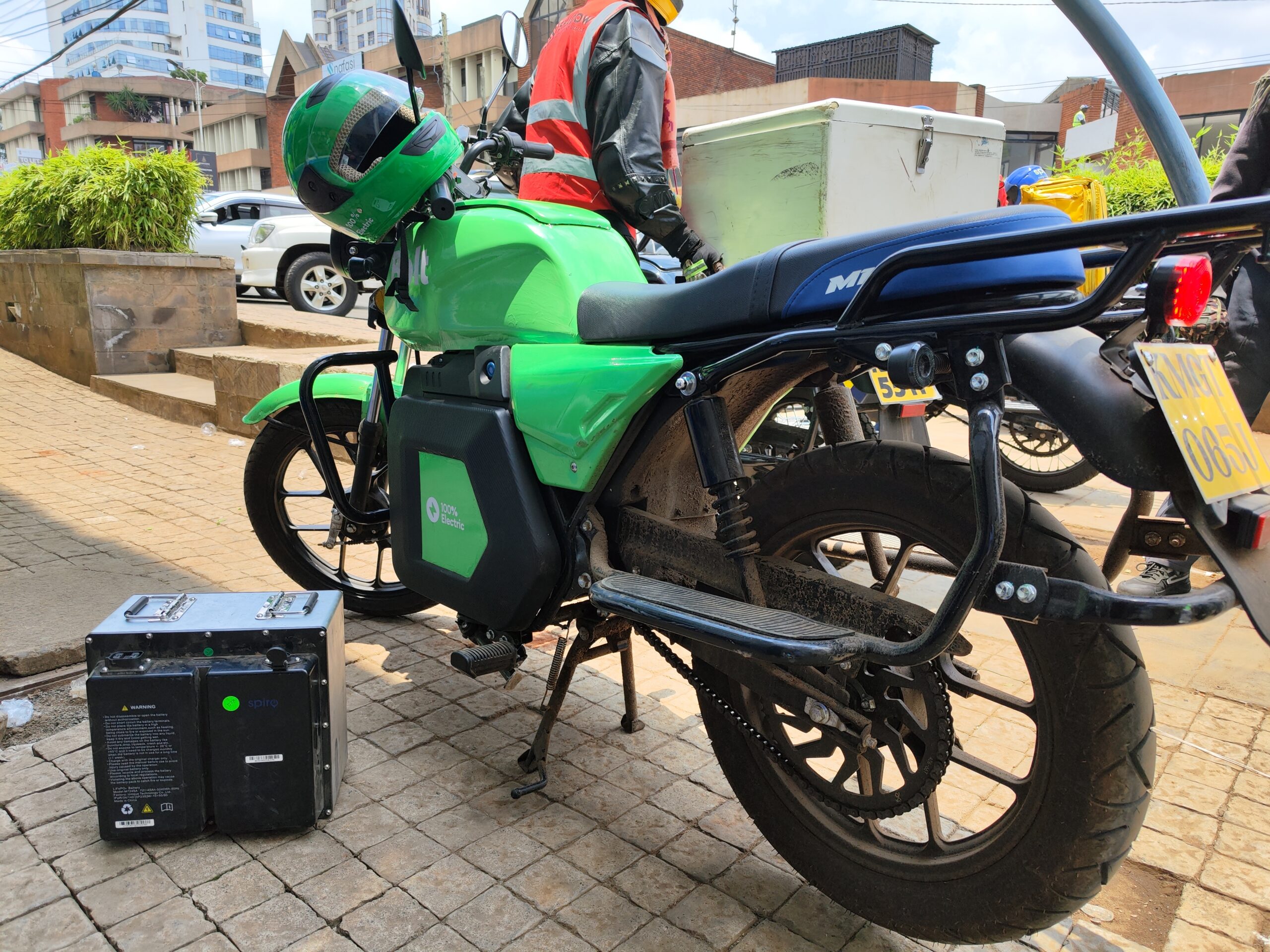
The continent’s largest player, Spiro, has deployed more than 100,000 electric motorcycles in several countries, has built more than 2,500 swapping stations, and has carried out more than 30 million battery swaps to date. Spiro recently acquired Coexlion, an expert motorcycle engineering and design firm, in a move aimed at strengthening its product development, engineering, and localization capabilities as it expands across the continent. Spiro says the acquisition brings Coexlion’s motorcycle engineering and industrial design expertise into Spiro’s growing technology platform. Over the years, the team of 28 engineers at Coexlion has contributed to more than 25 motorcycle programs globally, covering electric two-wheelers, chassis and frame development, vehicle integration, reliability engineering, battery systems, and industrial design. The acquisition of this engineering champion, strategically located in India’s innovation hub and the UK, will strengthen Spiro’s ability to design, develop, and manufacture products specifically adapted to African road conditions, rider usage patterns, and customer requirements. The Coexlion team’s experience — spanning the UK, India, and East Africa — will complement Spiro’s existing technology platform, supported by its R&D center in Pune, 150+ engineers, and 30+ proprietary patents.
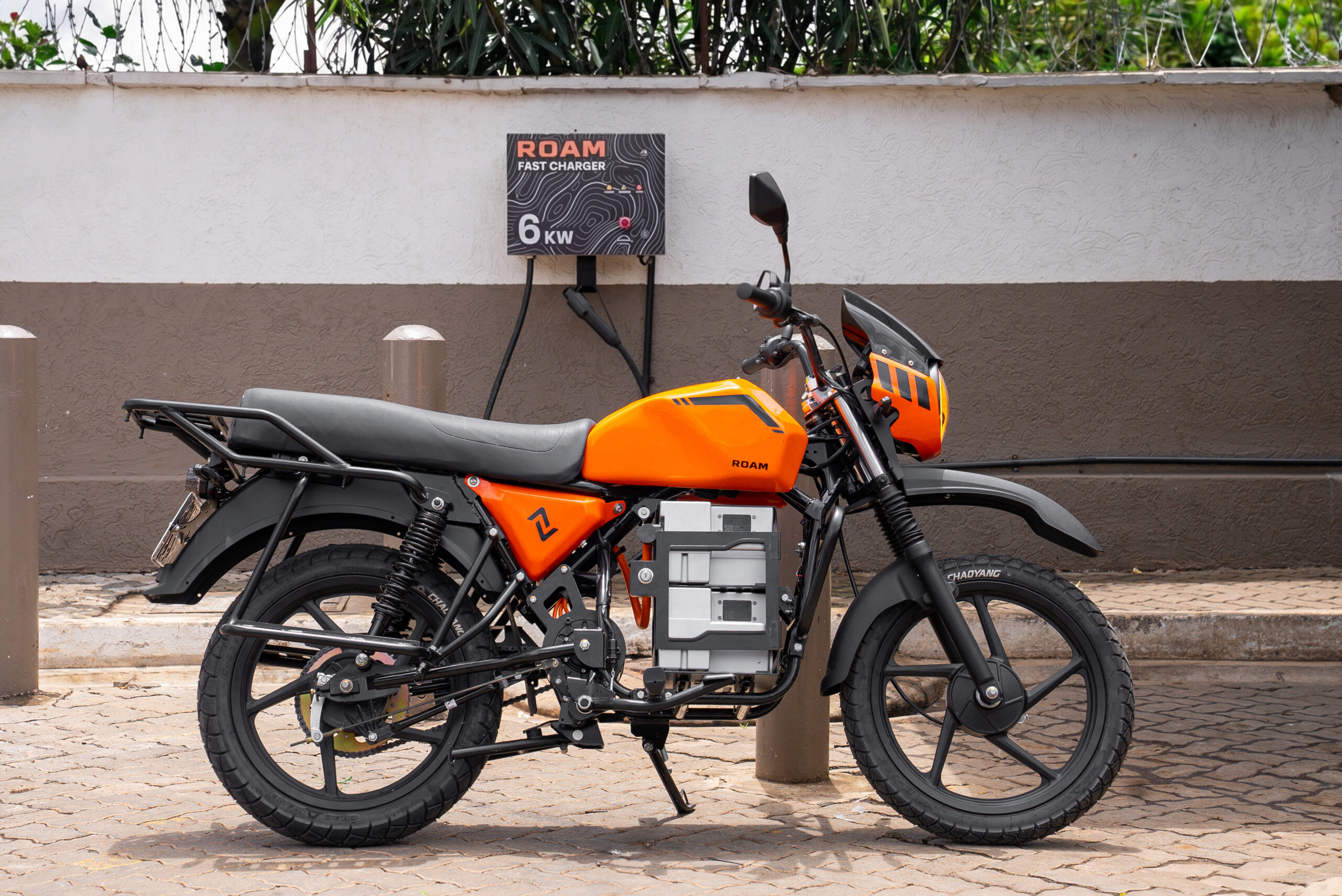
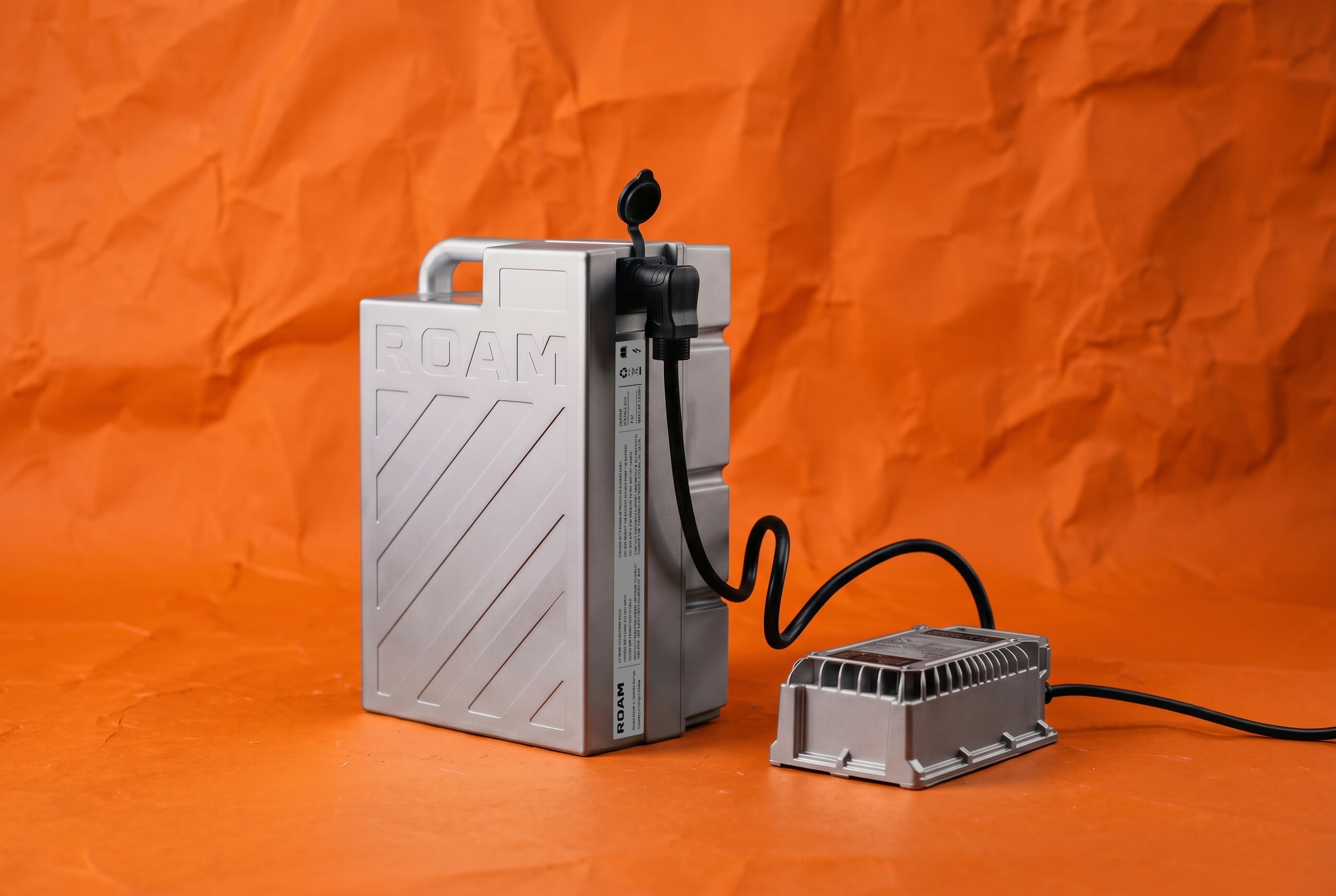
One of the pioneers of the electric motorcycle sector in Africa, Roam, recently launched the Roam Air Gen 3, the latest evolution of its electric motorcycle platform. The new model introduces the redesigned Roam Gen 3 battery, engineered to reduce theft, shorten charging times, and deliver greater durability for commercial riders. The Gen 3 battery integrates GPS location tracking, IP67-rated water resistance, the fastest charging on the market at 2 kW, and enhanced safety features that comply with international safety standards (AIS-156). It is purpose-built for high-utilization use cases, particularly in the commercial motorcycle industry’s boda boda market.
Roam says charging performance delivers more than 1 kilometre of range per minute of charging, enabling a 20% to 80% charge in under 40 minutes, thus reducing downtime and allowing riders to spend more time generating income. Roam recently successfully demonstrated the extreme durability of its Roam Air Gen 3 battery by subjecting it to a real-world stress test: being run over by an 18-tonne truck. Following the test, the battery was retrieved, was reinstalled into a Roam Air Gen 3 motorcycle, and continued to operate normally. The demonstration highlights the battery’s industrial-grade construction and its ability to withstand the demanding conditions faced by commercial riders across Africa.
These developments excite me. They show that the industry is now moving on from proving that a market for electric motorcycles exists in Africa to focusing on improving the product and solutions that will underpin the next phase, which will be making electric motorcycles the go-to product for the tens of millions of users on the African continent.