Seaweed Blooms Suggest The Ocean Is Geoengineering Itself
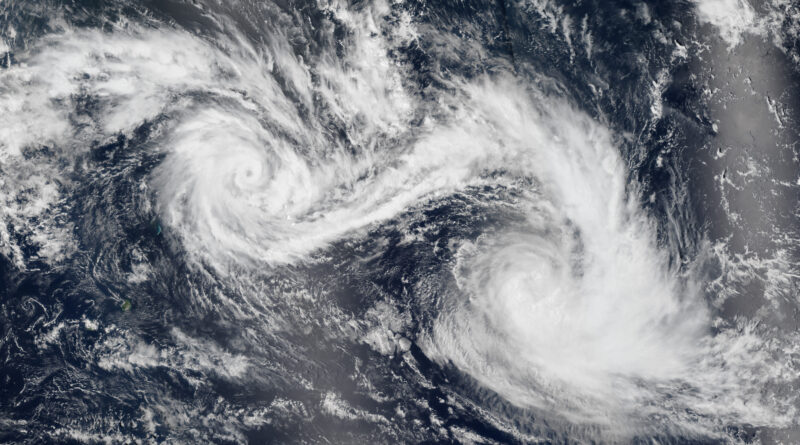
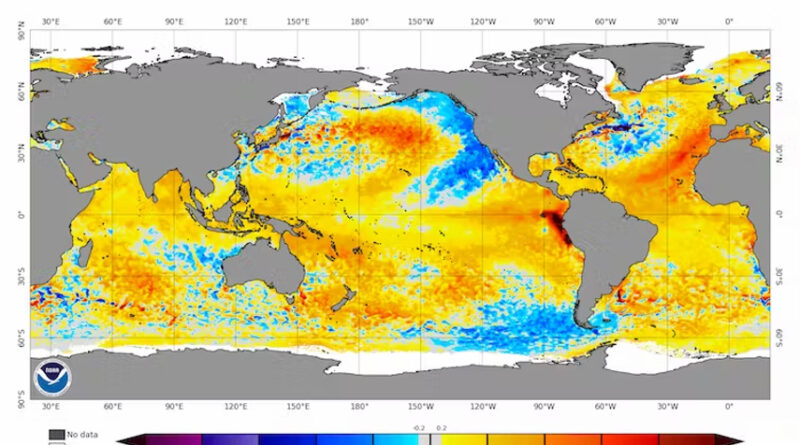
Two studies published this year put a spotlight on how changes in the ocean are affecting the planet and the global economy.
Renewable energy is moving ahead all around the world, while the US sucks its thumb and whines about how good things were in the 1950s.
U.S. electricity customers experienced an average of 11 hours of electricity interruptions in 2024, or nearly twice as many as the annual average experienced in the decade before, according to our Electric Power Annual 2024 report. Major events such as Hurricanes Beryl, Helene, and Milton accounted for 80% of the hours … [continued]
The storm that hit Jamaica last week was made more powerful by hotter ocean temperatures caused by human activity.
Unsurprisingly, climate risks keep growing. However, it’s not great to hear that one of the possibilities that has concerned me the most for almost two decades is getting more likely. That is the collapse of the Atlantic Meridional Overturning Circulation (AMOC). The AMOC brings warm water from tropical parts of … [continued]
Cities around the world are experiencing more and more days where extreme heat threatens their inhabitants.
A hot, dry summer in the UK has led to reduced hay yields in the eastern part of the country, driving up prices.
By Jeff Masters, Yale Climate Connections As Hurricane Helene roared toward the Florida Panhandle on September 26, 2024, the storm put on an intimidating display of rapid intensification, ramping up from a Category 1 hurricane with 80 mph (129 km/h) winds to a Cat 4 monster with 140 mph (225 … [continued]
Wildfires have scorched more than 40,000 hectares of land so far this year across the UK — an area more than twice the size of the Scottish city of Glasgow. This is already a record amount of land burned in a single year, far exceeding the previous high, Global Wildfire Information … [continued]
An uptick in heat extremes, driven by human-caused climate change, has caused tropical bird populations to decline by up to 38% since the 1950s, according to a first-of-its-kind analysis. The study combines ecological and climate attribution techniques to trace the fingerprint of fossil-fuelled climate change on declining wildlife populations. It … [continued]